Why You Should Visit Cambodia During Rainy Season
Fewer crowds, lush landscapes, and dramatic skies—the wet season offers unique travel rewards.
Conventional wisdom suggests avoiding Cambodia from May to October, when monsoon rains sweep across the kingdom. But experienced travelers know secrets that guidebooks don't share: the wet season offers some of Cambodia's most rewarding experiences for those willing to embrace a little rain.
The Reality of "Rainy Season"
First, let's dispel myths. Rainy season doesn't mean constant rain. Typically, mornings are clear and sunny. Rains arrive in afternoon or evening—dramatic downpours that last an hour or two before clearing. You can easily plan activities around the weather and enjoy much of each day rain-free.
The rains are also warm. Unlike monsoons in colder climates, Cambodian rain isn't chilling. A soaking is uncomfortable but not dangerous. Many travelers learn to enjoy the refreshing break from tropical heat.
Dramatic Landscapes
The rainy season transforms Cambodia's landscapes. Parched rice paddies become vibrant green carpets stretching to horizons. Waterfalls reach their most impressive flows. The Tonle Sap expands dramatically, creating stunning flooded forest landscapes. Even familiar sights like Angkor look different with moody skies and lush vegetation.
For photographers, the wet season offers superior conditions. Soft light filters through clouds, eliminating harsh shadows. Dramatic cloud formations create spectacular backdrops. Reflections multiply in water-covered surfaces. The golden hour lasts longer, and post-rain light can be magical.
Fewer Crowds
Visit Angkor Wat during high season and you'll share the experience with thousands. During wet season, you might have entire temple complexes nearly to yourself. Popular restaurants have immediate seating. Tour guides have more time for individual attention. The experience becomes more intimate and personal.
This matters especially at sunrise and sunset locations. During peak season, photographers arrive hours early to claim spots. During wet season, iconic viewpoints are accessible without the struggle.
Better Value
Hotels drop prices significantly—often 30-50% below high season rates. Airfares decrease. Tour prices become negotiable. The same budget stretches further, allowing upgrades in accommodation or additional experiences. Luxury properties become accessible to mid-range travelers.
Local Life
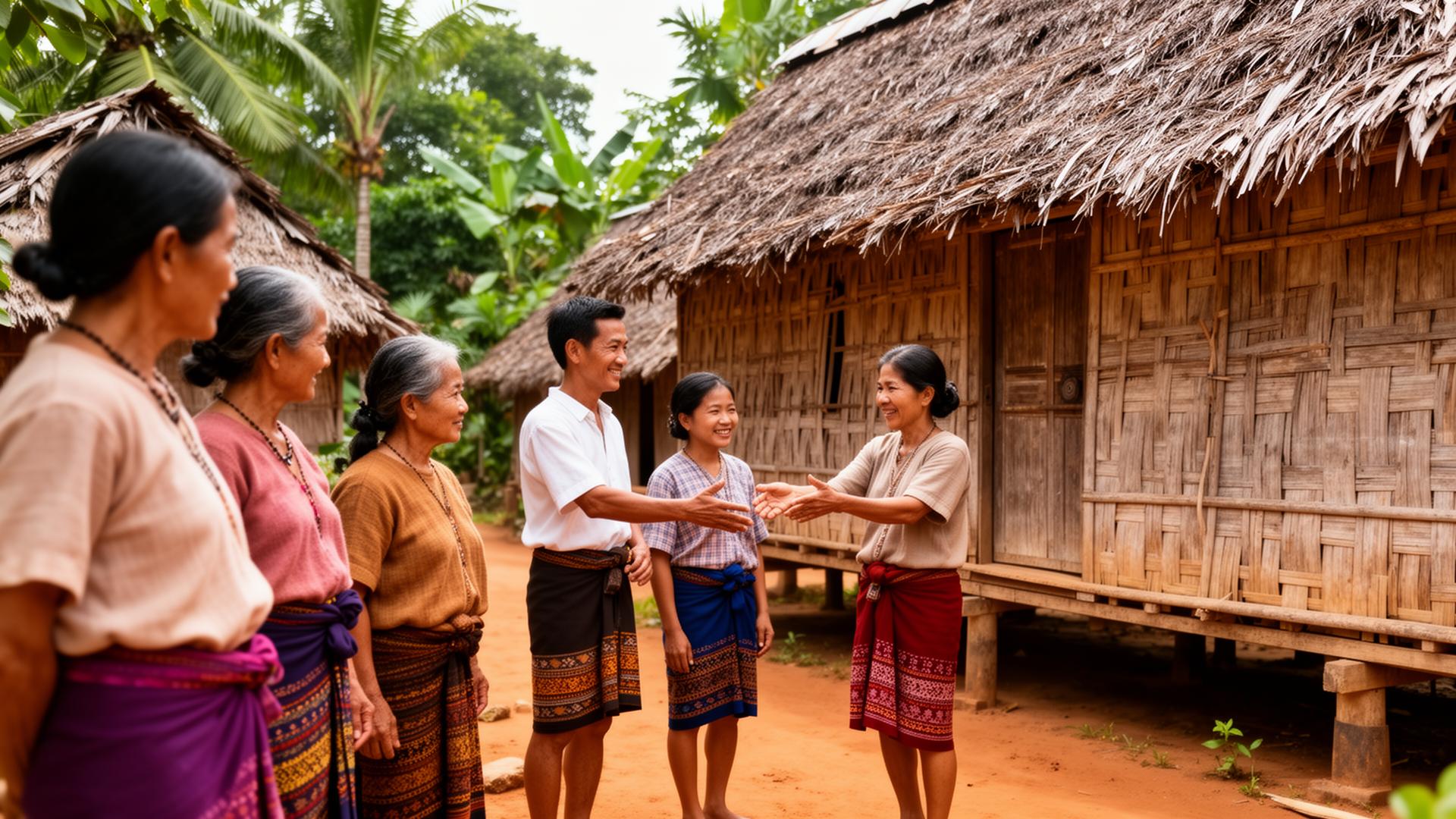
The rainy season is farming season. Rural Cambodia comes alive with agricultural activity—planting, tending, and preparing for harvest. Festivals related to the agricultural calendar occur. Markets overflow with fresh produce. The rhythm of traditional life becomes visible in ways obscured during tourist-focused dry months.
Practical Considerations
Pack appropriately: quick-dry clothing, good sandals (wet feet are inevitable), rain jacket or poncho, and waterproof bags for electronics. Plan activities for mornings when rain is less likely. Allow flexibility in schedules—occasional heavy rains may delay plans.
Some areas become inaccessible: remote roads can wash out, river crossings become dangerous, and island access may be limited during rough sea conditions. Stick to established routes or seek local advice before venturing off-grid.
What to Skip
Beach vacations are less appealing during wet season—swimming in stormy seas isn't safe, and overcast skies diminish the tropical paradise effect. Remote jungle trekking becomes challenging. But cultural experiences, temple visits, and city exploration work wonderfully.
The Best of Both Worlds
Consider visiting during "shoulder season"—May or October—when you get reduced crowds and prices but lighter rains. November often combines wet season landscapes with drier weather as the season transitions.
Related Articles
Get Cambodia Travel Updates
Visa changes, travel tips, and destination guides delivered to your inbox.
No spam, unsubscribe anytime. We respect your privacy.