Mastering Khmer Cuisine: A Guide to Cooking Classes in Cambodia
Learn the secrets of Cambodian cooking, from market shopping to mastering the perfect fish amok.
Beyond the temples and beaches, Cambodia offers a culinary heritage as rich as any in Southeast Asia. Khmer cuisine, often overshadowed by its Thai and Vietnamese neighbors, features unique flavors, fresh ingredients, and techniques that tell stories of the kingdom's history. Taking a cooking class provides the perfect introduction to this delicious tradition.
What Makes Khmer Cuisine Unique
Cambodian cooking balances four fundamental tastes: salty, sweet, sour, and bitter. Unlike Thai cuisine, Khmer food rarely features intense heat. Instead, it relies on aromatic pastes called kroeung, made from lemongrass, galangal, turmeric, and other fresh ingredients pounded together with a mortar and pestle.
Prahok, the fermented fish paste that serves as the backbone of Khmer flavoring, adds umami depth that distinguishes Cambodian dishes. Fresh herbs like sawtooth coriander, holy basil, and morning glory appear throughout the cuisine, often served raw alongside cooked dishes.
The Market Experience
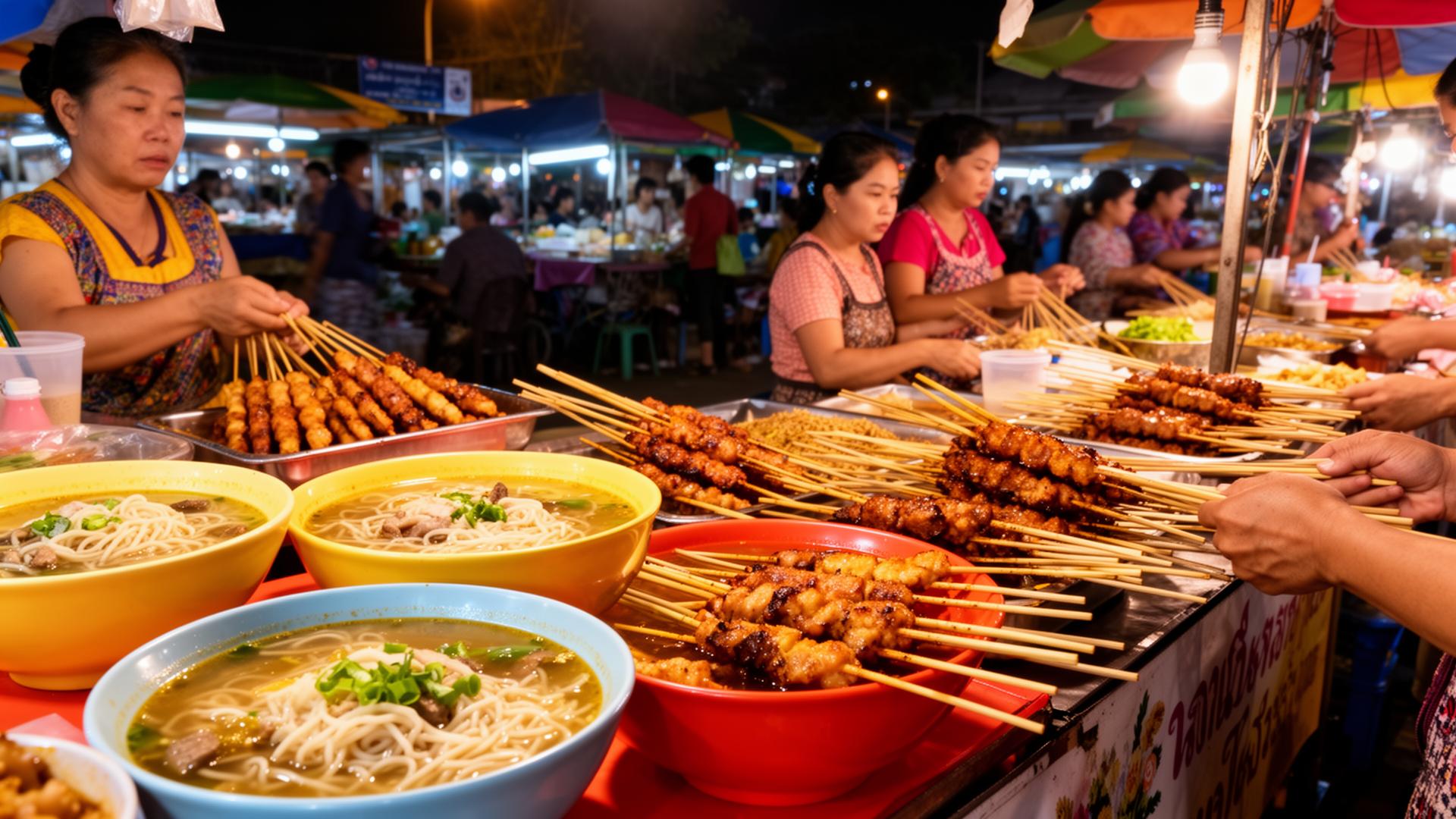
Most quality cooking classes begin with a market visit. Following your instructor through the organized chaos of a Cambodian market opens your eyes to ingredients you've never seen—purple basil, fresh water morning glory, tiny river crabs, exotic fruits, and piles of aromatic spices.
Learning to select ingredients is a skill in itself. How to choose the freshest fish, identify ripe mangoes by smell, or recognize quality palm sugar—these lessons transform market visits from overwhelming experiences into enjoyable adventures. Many students find the market tour as memorable as the cooking itself.
Signature Dishes to Learn
Fish Amok: Cambodia's national dish features freshwater fish in a coconut curry mousse, steamed in banana leaf cups. The aromatic kroeung paste, rich coconut cream, and perfectly steamed texture make this a rewarding dish to master.
Beef Lok Lak: Tender beef cubes wok-fried with black pepper and served with a lime-pepper dipping sauce. This French-influenced dish is simple enough for beginners yet impressive for dinner parties at home.
Nom Banh Chok: Fresh rice noodles with fish-based green curry sauce. Making the noodles from scratch, though not always included in short classes, connects you to traditions stretching back generations.
Where to Take Classes
Siem Reap offers the widest selection of cooking schools, ranging from casual home cooking experiences to professional instruction. Look for classes that include market visits, focus on traditional techniques, and provide recipes to take home.
Phnom Penh options tend to be more intimate, often taught by passionate home cooks rather than large commercial schools. Battambang's cooking classes often incorporate organic farm visits, reflecting the region's agricultural heritage.
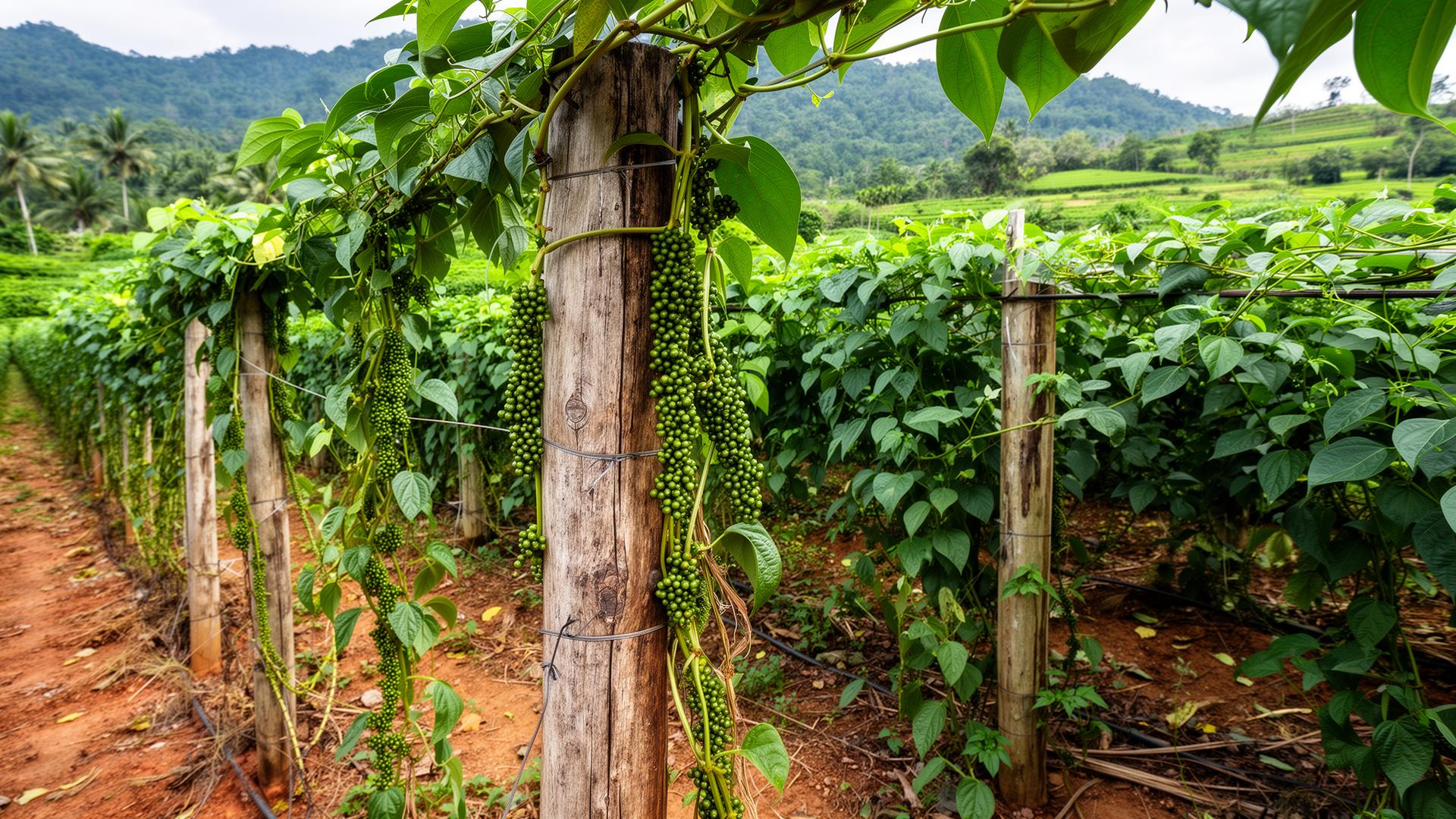
Kampot's pepper plantations offer specialized classes focusing on this region's famous black pepper, teaching dishes that highlight this exceptional ingredient.
Booking Tips
Morning classes typically include market visits when ingredients are freshest. Half-day courses work well for casual learners, while full-day immersions suit serious food enthusiasts. Group sizes vary widely—smaller classes offer more hands-on experience.
Vegetarian and dietary modifications are usually accommodated with advance notice. Most classes include recipe cards, though asking to take photos ensures you capture techniques as well as ingredients.
Taking Skills Home
Many specialized ingredients are now available internationally in Asian markets or online. Stock up on dried spices before leaving Cambodia—lemongrass, galangal, and Kampot pepper keep well and can transform home cooking. Fresh ingredients like sawtooth coriander may be harder to find but are increasingly available in areas with Southeast Asian communities.
The techniques learned—making kroeung paste, balancing flavors, proper stir-fry methods—apply across Asian cooking. What begins as an afternoon activity often becomes a lifelong connection to Khmer cuisine.
Related Articles
Get Cambodia Travel Updates
Visa changes, travel tips, and destination guides delivered to your inbox.
No spam, unsubscribe anytime. We respect your privacy.