Beginner's Guide to Cambodian Culture and Etiquette
Learn essential Cambodian cultural customs, religious etiquette, social norms, and greeting traditions to show respect and connect authentically with local people.
What are the most important cultural customs in Cambodia?
Key Cambodian customs include the sampeah greeting (palms together with a bow), removing shoes before entering homes and temples, dressing modestly at religious sites, and never touching someone's head. Showing respect for monks, elders, and Buddhist traditions is deeply valued.
- Greet with the sampeah (palms pressed together)
- Remove shoes before entering homes and temples
- Never touch anyone's head — it's considered sacred
- Dress modestly at temples: cover shoulders and knees
Understanding Cambodian culture and etiquette transforms your visit from simple sightseeing into a genuine human connection. Cambodia's customs are rooted in Theravada Buddhism, Hindu traditions, and centuries of Khmer heritage. This guide covers the essential social norms every visitor should know.
The Sampeah Greeting
The sampeah — pressing your palms together with a slight bow — is Cambodia's traditional greeting. It's both a hello and a gesture of respect. The height of your hands indicates the level of respect: chest level for peers, chin level for elders, nose level for parents and teachers, and forehead level for monks and royalty.
You don't need to use the sampeah with everyone — a simple smile and nod works in casual situations. But using it when greeting elders, entering someone's home, or at temples shows cultural awareness that Cambodians deeply appreciate.
Temple Etiquette
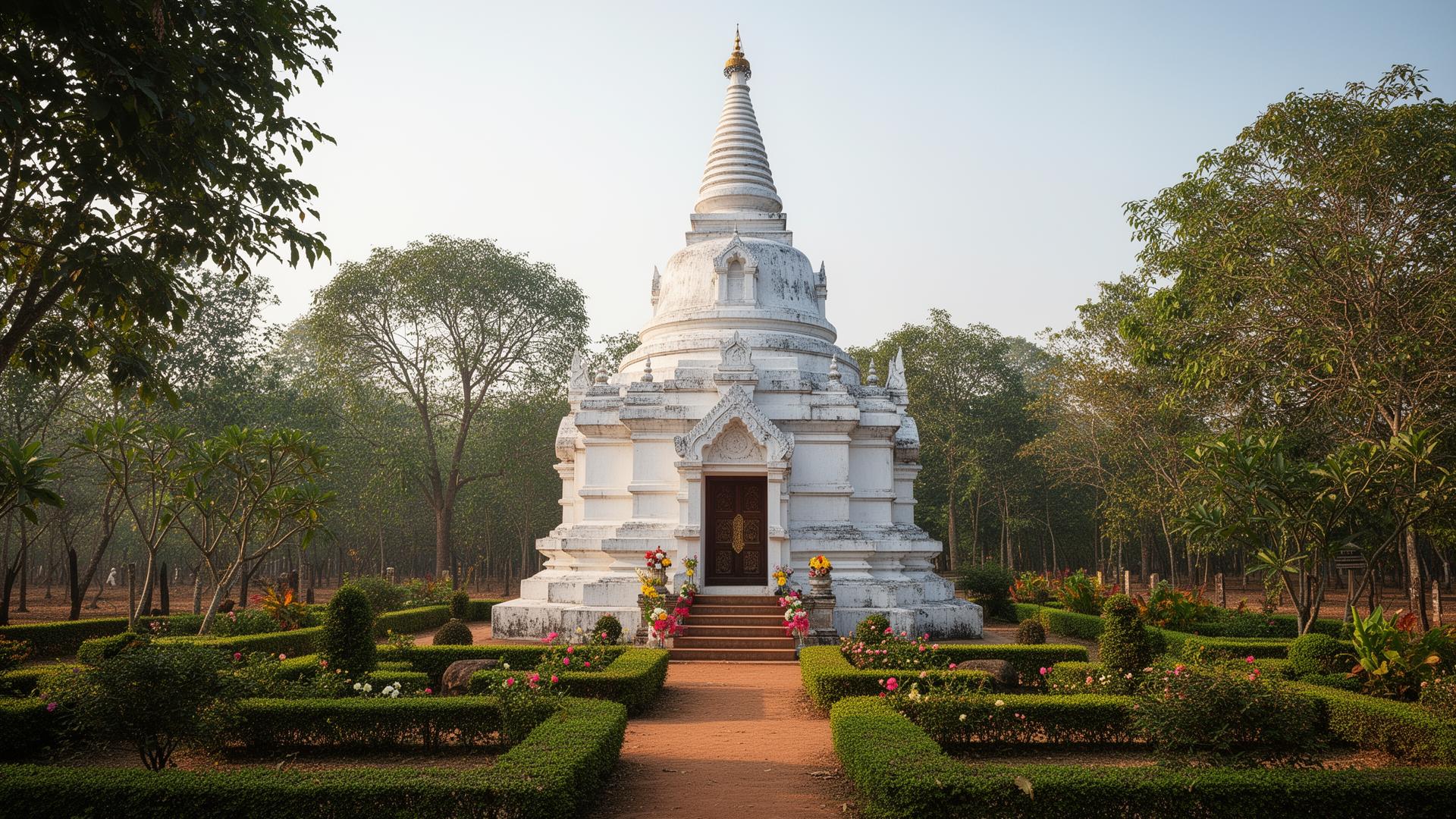
Buddhism is central to Cambodian identity, and temples (pagodas) are sacred spaces. Always remove shoes before entering temple buildings. Dress modestly — shoulders and knees must be covered. Sit with your feet tucked behind you, never pointing at Buddha images. Explore our Cambodia culture guide for deeper context on Buddhist practices.
When monks are present, speak quietly and avoid positioning yourself higher than them. Women must never touch monks or hand objects directly to them. Photographing ceremonies is generally acceptable from a respectful distance — always check first.
Social Customs
The head: Considered the most sacred part of the body. Never touch anyone's head, including children, no matter how affectionate your intention.
The feet: Considered the lowest and most impure part of the body. Never point your feet at people, religious objects, or images of the King. Remove shoes before entering homes.
Pointing: Use an open hand rather than a single finger. Beckoning with a crooked finger is considered rude — instead, wave with your palm facing down.
Physical contact: Public displays of affection are uncommon and considered inappropriate. Same-sex friends may hold hands casually, but romantic physical contact in public is frowned upon.
Dining Etiquette
Cambodian meals are typically shared family-style. Wait for the eldest person to begin eating. Use a spoon (held in the right hand) as your primary utensil, with a fork in the left hand to push food onto the spoon. Chopsticks are used only for noodle dishes.
It's polite to leave a small amount of food on your plate to show you've been well-fed. Finishing everything can imply your host didn't provide enough. For the full culinary experience, check safety advice around food hygiene in Cambodia.
Festivals and Celebrations
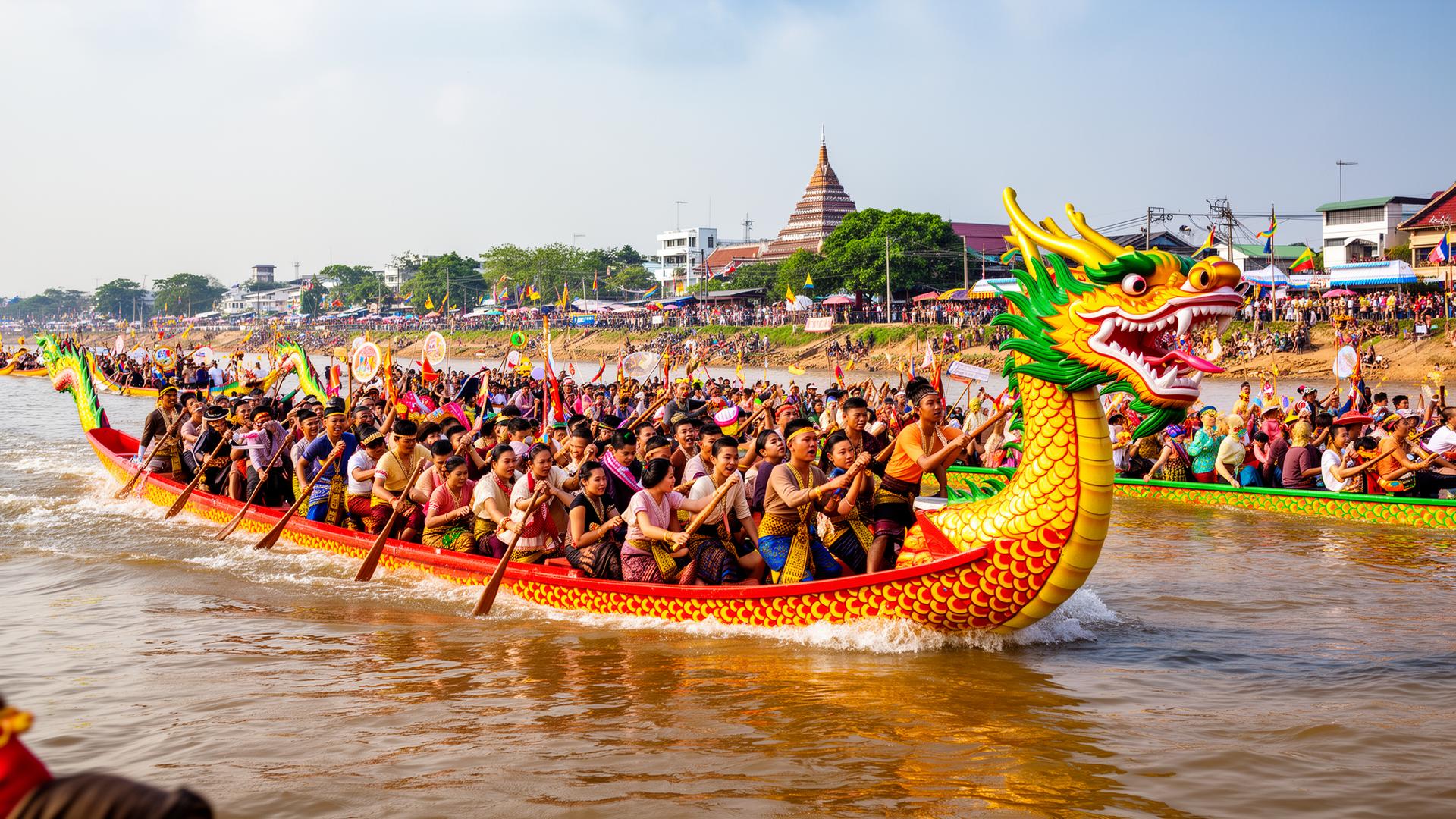
Cambodia's traditional festivals offer extraordinary cultural immersion. Khmer New Year (April), Pchum Ben (September/October), and the Water Festival (November) are the biggest celebrations. During these times, Cambodians return to their home villages, temples overflow with offerings, and the country's cultural identity shines brightest.
Participating respectfully in these celebrations — even as an observer — is welcomed. Dress modestly, follow locals' lead, and ask before photographing ceremonies. For visa planning to coincide with festivals, check the tourist visa guide and our cost guide for seasonal pricing.
Showing Respect
The golden rule in Cambodia is simple: show respect and you'll receive warmth in abundance. Learning a few Khmer phrases, removing your shoes when asked, dressing appropriately at temples, and approaching cultural differences with curiosity rather than judgment opens doors to genuine connections that make Cambodia unforgettable.
Frequently Asked Questions
Related Articles
Get Cambodia Travel Updates
Visa changes, travel tips, and destination guides delivered to your inbox.
No spam, unsubscribe anytime. We respect your privacy.