Traveling Cambodia in Monsoon Season: Why the Rainy Season is Underrated
Fewer crowds, lower prices, lush landscapes, and the spectacular Tonle Sap flood — here's why monsoon season might be the best time to visit Cambodia.
Is it worth visiting Cambodia during monsoon season?
Absolutely. Cambodia's monsoon season (May–October) brings afternoon rain showers, but mornings are usually clear. You'll enjoy 30–50% lower prices, dramatically fewer tourists, lush green landscapes, and unique experiences like the Tonle Sap flood reversal.
- Rain typically falls in afternoon bursts of 1–2 hours, not all day
- Hotel and tour prices drop 30–50% compared to peak season
- Angkor Wat with moat reflections and fewer crowds is spectacular
- Tonle Sap Lake expands to 5x its dry-season size — a natural wonder
Ask most travelers when to visit Cambodia and they'll say November to March — the dry season. And they're not wrong: the weather is reliably sunny and comfortable. But here's what the guidebooks often underplay: Cambodia's monsoon season (May to October) is not only perfectly viable for travel, it offers experiences and advantages that dry-season visitors completely miss. If you're flexible, adventurous, and budget-conscious, the rainy season might actually be the best time to explore the Kingdom of Wonder.
Understanding Cambodia's Monsoon
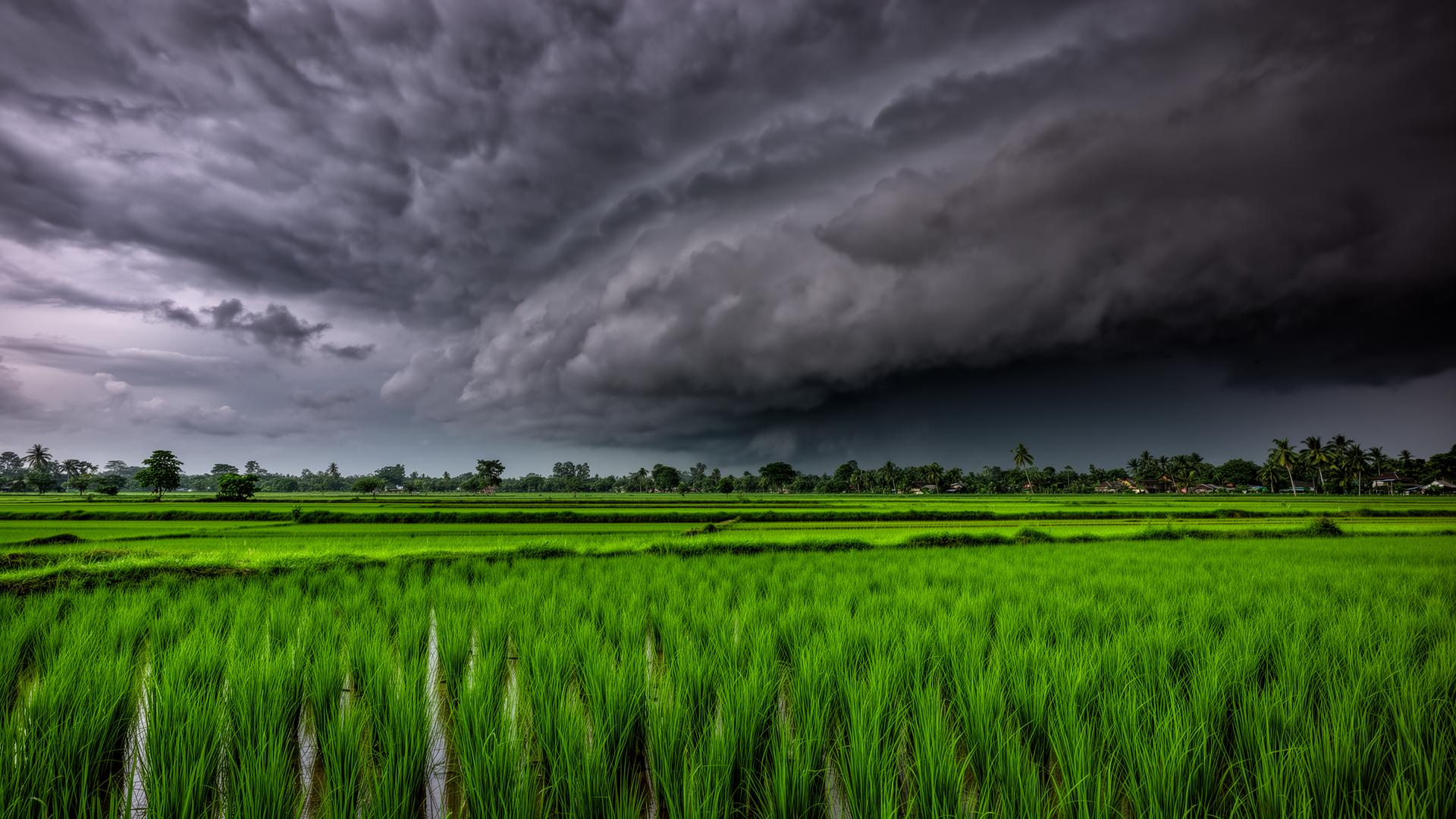
Cambodia's monsoon isn't a non-stop downpour. The rain follows a predictable pattern: mornings are typically clear and hot, clouds build through the early afternoon, and a dramatic burst of heavy rain falls for 1–2 hours in the late afternoon or evening. By dinner time, the skies have often cleared, leaving the air cooler and fresher than at any other time of year.
The wettest months are September and October, when occasional full-day rain can occur. June through August are the sweet spot — regular afternoon showers keep things green and cool without significantly disrupting travel plans. May and November are transition months that can offer the best of both seasons.
Temperatures during monsoon season are slightly lower than the scorching March–April period, averaging 28–32°C (82–90°F) compared to 35–40°C (95–104°F) in the hot season. The humidity is higher, but many travelers prefer the occasional rain to relentless dry heat.
The Price Advantage
This is the single biggest reason to consider monsoon travel. Cambodia's tourism industry operates on a clear high/low season pricing model:
Hotels: Expect 30–50% discounts on room rates across all categories. A $100/night hotel in December might cost $50–$60 in July. Budget guesthouses that charge $15 in peak season drop to $8–$10. Many hotels also offer free upgrades, late checkouts, and complimentary extras during the quiet months.
Tours and Activities: Tour operators reduce prices by 20–30% and are more willing to customize itineraries. Private guides who are fully booked in January may be available for impromptu half-day trips in June.
Flights: International airfares to Phnom Penh and Siem Reap are significantly cheaper outside the November–March peak. Budget carriers run promotions throughout the wet season.
For budget travelers, these savings can stretch a Cambodia trip from two weeks to three, or upgrade accommodation from hostels to boutique hotels — at the same total cost.
Angkor in the Rain: A Revelation
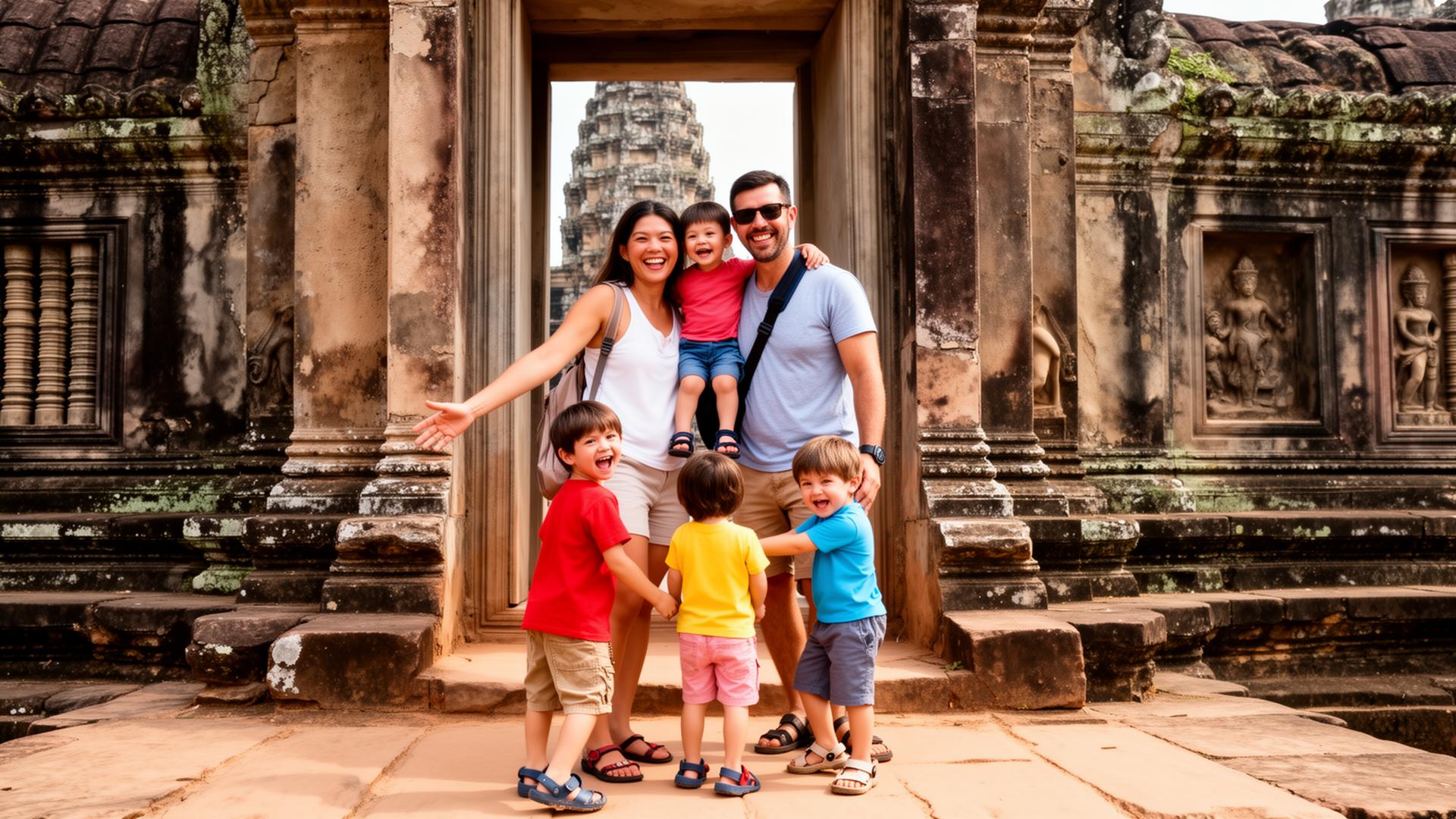
Visiting Angkor Wat during monsoon season transforms the experience. The moats, which can be dry or low during the hot months, are brimming with water, creating the iconic reflection shots. The surrounding jungle is at its most lush, with towering trees draped in vivid green. Moss covers the ancient stones, giving the temples an even more atmospheric, Indiana Jones quality.
Most importantly, the crowds thin dramatically. Spots that require elbow-to-elbow jostling in January become peaceful meditation spaces in July. You can sit alone in the galleries of Angkor Wat, listening to birdsong and the distant murmur of rain, and feel the spiritual power that has drawn pilgrims here for nine centuries.
Practical tips for rainy-season Angkor: start early (5:00 AM gate opening) to maximize dry morning hours. Carry a compact umbrella and waterproof bags for cameras. If rain hits, duck into one of the covered galleries — it's a wonderful time to study the bas-reliefs in detail without crowds blocking the view. Wear water-resistant shoes with good grip, as wet stone can be slippery.
The Tonle Sap Flood: A Natural Wonder
One of the world's most remarkable hydrological phenomena occurs during Cambodia's monsoon. The Tonle Sap River, which normally flows from the lake toward the Mekong, reverses direction as monsoon rains swell the Mekong system. This pushes water back upstream, causing Tonle Sap Lake to expand from approximately 2,500 square kilometers to over 12,000 square kilometers — five times its dry-season size.
This annual flood transforms the landscape around the lake. Flooded forests become navigable waterways, creating surreal scenes of trees standing in meters of water. Fishing communities that seem land-locked in the dry season become floating villages accessible only by boat. The biodiversity of the flooded forest is extraordinary — it's one of the richest freshwater ecosystems in the world.
Visiting the floating villages of Tonle Sap during the flood season (August–November) offers a far more dramatic and authentic experience than dry-season visits. Boat tours navigate through submerged forests, visit floating schools and markets, and provide insight into a way of life uniquely adapted to this annual transformation.
Lush Landscapes and Waterfalls
Cambodia's countryside undergoes a dramatic transformation during monsoon. Rice paddies, which lie brown and fallow in the dry months, become vibrant seas of green. The Cardamom Mountains and northeast highlands are blanketed in thick tropical vegetation. Rivers and streams run full, powering waterfalls that reduce to trickles in the dry season.
The waterfalls at Kulen Mountain near Siem Reap, Bou Sra in Mondulkiri, and Popokvil at Bokor National Park are at their most spectacular from July to October. The volume of water creates thundering cascades and natural swimming pools that are irresistible on a hot afternoon.
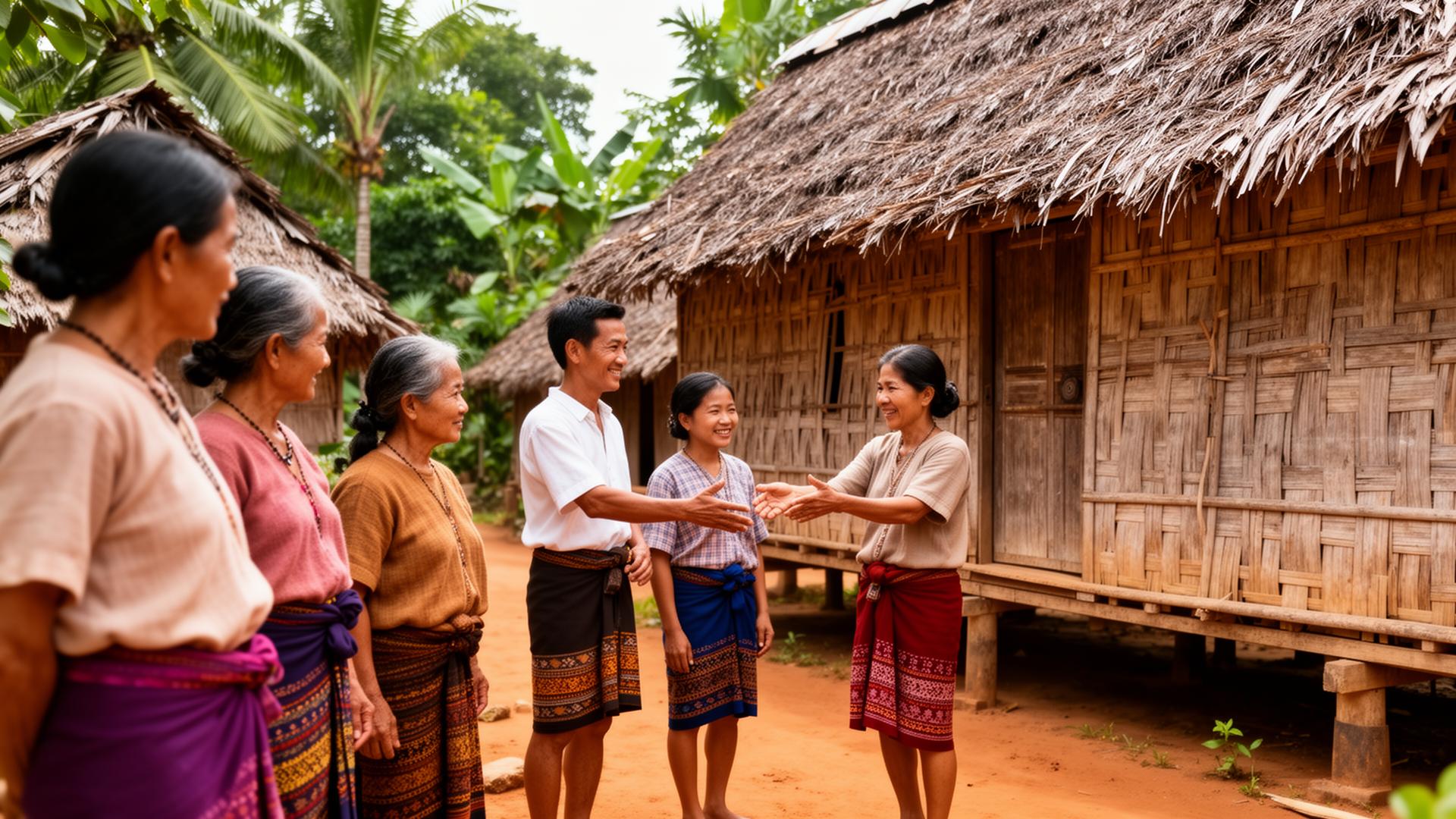
Mondulkiri and Ratanakiri provinces in the northeast — Cambodia's wild frontier — are particularly beautiful during green season. The rolling hills, pine forests, and indigenous villages are lushly photogenic, and the elephant sanctuaries offer experiences against a backdrop of emerald jungle.
Practical Tips for Monsoon Travel
Plan around the rain: Schedule outdoor activities (temple visits, hikes, boat trips) for the morning. Use afternoons for indoor activities — museums, cooking classes, spa treatments, or simply relaxing in a cafe with a book while rain drums on the roof.
Stay flexible: Build buffer days into your itinerary. While most days follow the predictable afternoon-rain pattern, the occasional full-day downpour can occur. Having flexibility to shift a planned activity by a day makes all the difference.
Embrace the rain: Some of the most memorable travel moments happen in the rain — a sudden downpour in a local market, sharing shelter with monks at a temple, or watching lightning illuminate Angkor Wat. Pack a sense of humor alongside your rain jacket.
Transport considerations: Major roads are well-maintained and passable year-round. Some rural roads become muddy, but your driver will know which routes to avoid. Boat services to islands may be reduced or cancelled during rough weather — check schedules in advance and have backup plans for island trips.
Health precautions: Mosquitoes are more active during rainy season. Use repellent, especially at dawn and dusk. Dengue fever risk increases — wear long sleeves in the evenings and use mosquito nets. Stay hydrated and carry oral rehydration salts.
When to Avoid the Monsoon
To be fair, there are situations where dry season is genuinely better. If you're planning extensive island-hopping in the Koh Rong archipelago, ferries can be unreliable in rough seas from June to September. If you have a rigid, non-flexible itinerary, the unpredictability of rain can be frustrating. And if you're a photographer focused on blue-sky shots, you'll get more consistently clear conditions from December to February.
But for the majority of travelers — especially those visiting temples, exploring cities, or traveling on a budget — monsoon season offers a richer, more affordable, and more atmospheric Cambodia experience. The rain is part of the adventure, not an obstacle to it.
Frequently Asked Questions
Related Articles
Get Cambodia Travel Updates
Visa changes, travel tips, and destination guides delivered to your inbox.
No spam, unsubscribe anytime. We respect your privacy.