Wildlife Photography Guide: Capturing Cambodia's Natural Beauty
From rare river dolphins to endangered primates, discover where to photograph Cambodia's incredible wildlife.
Cambodia's biodiversity often surprises visitors expecting only temples. The kingdom's remaining forests and waterways harbor remarkable wildlife, including critically endangered species found nowhere else. For wildlife photographers, Cambodia offers unique subjects, fewer tourists, and conservation stories worth documenting.
Irrawaddy River Dolphins
The Mekong River near Kratie hosts the last significant population of Irrawaddy dolphins in Cambodia—fewer than 100 individuals survive. These shy, snub-nosed cetaceans surface regularly, especially in early morning and late afternoon. While challenging to photograph due to unpredictable surfacing, patience rewards with magical moments.
Local guides know the best viewing spots and dolphin behavior patterns. Small boats allow close approach without disturbing the animals. A long telephoto lens (300mm minimum) is essential for quality shots. Visit between December and May for optimal conditions and calmer waters.
Gibbon Encounters
Several locations offer gibbon sightings. The Veun Sai-Siem Pang Conservation Area in Ratanakiri protects rare northern buff-cheeked gibbons. Guided treks follow habituated family groups, providing extended viewing opportunities rare elsewhere in Southeast Asia.
Koh Pring near Kratie hosts a small population of critically endangered southern yellow-cheeked crested gibbons. Conservation efforts here focus on protecting remaining habitat while allowing carefully managed tourism.
Bird Photography
Cambodia's birdlife attracts serious photographers worldwide. Tmatboey community-based ecotourism offers some of the best large waterbird photography in Southeast Asia. Giant ibis, white-shouldered ibis, and sarus cranes (the world's tallest flying birds) can be photographed from hides maintained by local communities.
Prek Toal bird sanctuary on the Tonle Sap hosts massive colonies of waterbirds including lesser adjutant storks, painted storks, and spot-billed pelicans. Boat-based photography during breeding season (December-April) provides extraordinary opportunities.
Jungle Cats
Camera traps regularly capture leopards, clouded leopards, and Asian golden cats in Cambodia's eastern forests. While photographing these elusive cats requires extraordinary luck, multi-day wildlife treks in areas like the Cardamom Mountains or Virachey National Park occasionally produce sightings. More commonly, tracks and sign reveal their presence.
Reptiles and Amphibians
Crocodile conservation areas harbor Siamese crocodiles—critically endangered reptiles that Cambodia is helping recover. Night photography reveals tree frogs, geckos, and diverse snake species. Mondulkiri's streams support beautiful fish species, while Tonle Sap's floodplains host monitor lizards and turtles.
Best Locations Summary
Kratie: Dolphins, gibbons, forest birds
Ratanakiri: Gibbons, jungle wildlife, indigenous culture
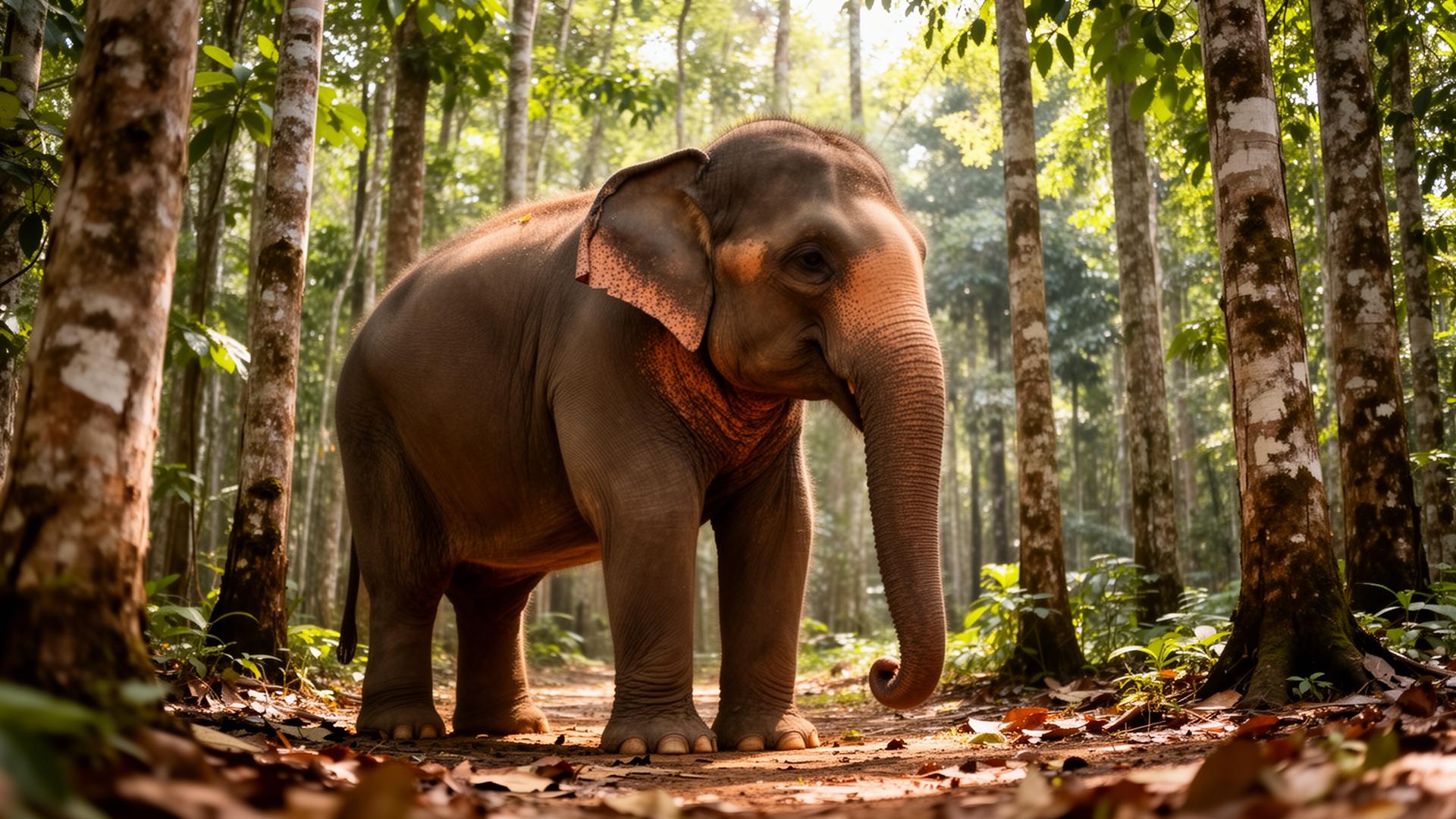
Mondulkiri: Elephants (sanctuary), forest birds, pristine landscapes
Cardamom Mountains: Remote wildlife, jungle photography
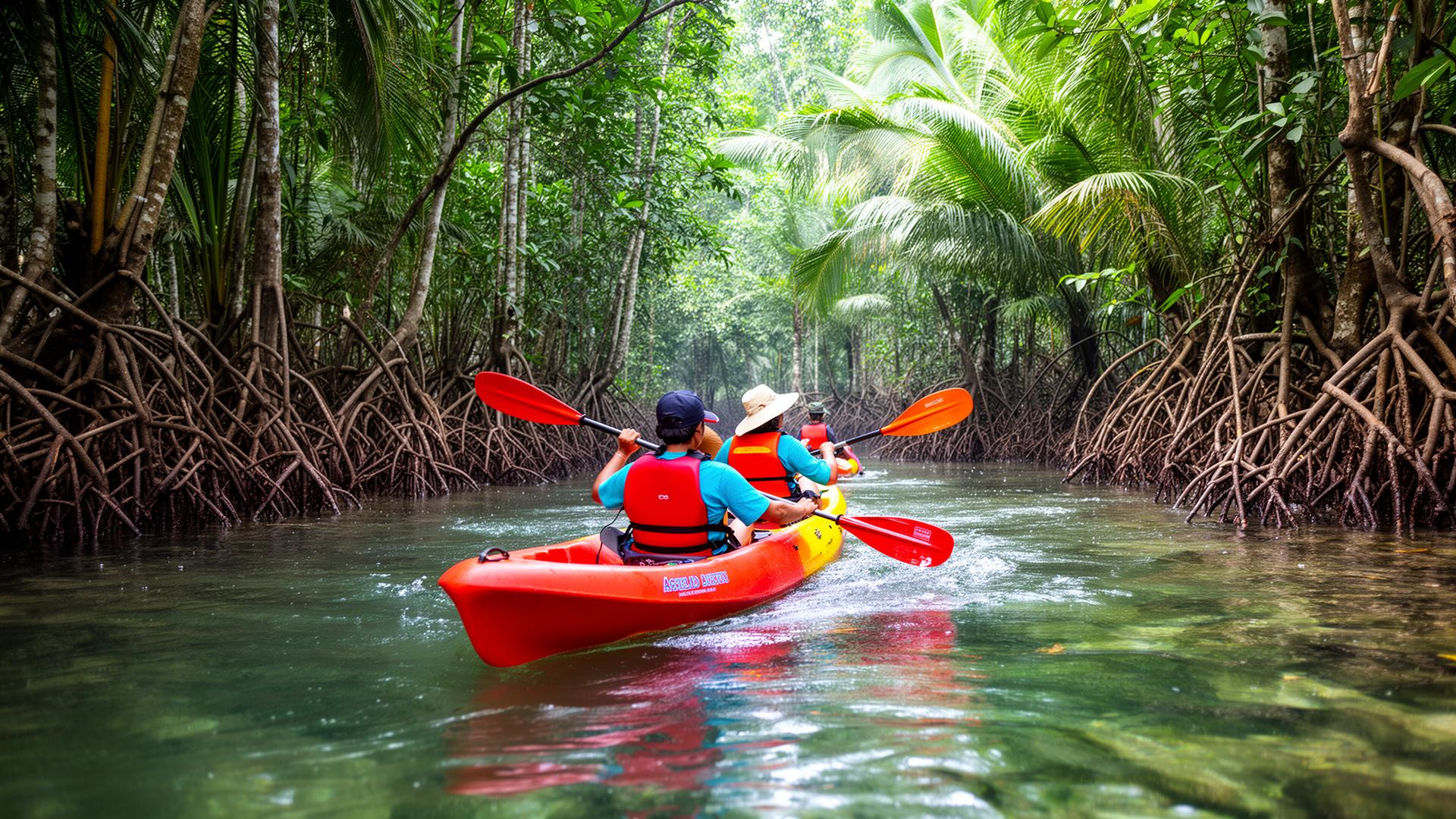
Tonle Sap: Waterbirds, fishing communities, flooded forests
Photography Ethics
Wildlife photography in Cambodia requires ethical consideration. Never bait or disturb animals for photos. Support community-based conservation programs that provide alternatives to poaching. Report illegal wildlife trade. Use photography to tell conservation stories that inspire protection.
Practical Tips
Long lenses are essential—600mm opens more possibilities, but 400mm works for many subjects. Bring backup cameras for humid jungle conditions. Guide services vary in quality; research carefully. Early morning and late afternoon provide best light and most active wildlife. Rainy season brings challenges but also lush landscapes and breeding activity.
Related Articles
Get Cambodia Travel Updates
Visa changes, travel tips, and destination guides delivered to your inbox.
No spam, unsubscribe anytime. We respect your privacy.