Ethical Elephant Encounters in Mondulkiri
Meet rescued elephants in their natural forest habitat while supporting ethical wildlife conservation.
Mondulkiri, Cambodia's largest and least populated province, offers one of Southeast Asia's most ethical ways to encounter elephants. Unlike tourist camps elsewhere in the region, sanctuaries here focus on elephant welfare, providing homes for rescued animals while educating visitors about conservation challenges.
Why Mondulkiri?
This remote northeastern province has long been home to the Bunong, an indigenous group with deep connections to elephants. Traditionally used for logging and agriculture, domesticated elephants here suffered as forests disappeared and their role changed. Several sanctuaries now provide retirement for these working elephants, allowing them to live naturally in remaining forest areas.
The cool climate, pine forests, and rolling hills create landscapes unlike anywhere else in Cambodia. Combined with waterfalls, indigenous culture, and wildlife, Mondulkiri offers experiences worth the journey from more accessible destinations.
Elephant Valley Project (EVP)
The original Mondulkiri elephant sanctuary, EVP rescued its first elephant in 2006 and has since become a model for ethical elephant tourism. The organization works with Bunong communities to provide alternative income while protecting remaining forests.
Day visits involve trekking through the forest to observe elephants behaving naturally—foraging, bathing, socializing on their own terms. There's no riding, no chaining, no performance. Visitors observe from respectful distances while guides share elephant behavior insights and conservation challenges.
Overnight programs offer deeper immersion, with accommodation in traditional-style housing and additional forest time. Revenue directly supports elephant care, mahout families, and community development.
What to Expect
Visits begin with orientation about the project's philosophy and individual elephant stories—many involving rescue from logging operations or tourist attractions. These narratives add emotional depth to the experience.
Forest walks can be challenging, covering several kilometers over varied terrain. Physical fitness enhances the experience, though guides adjust pace for different abilities. The elephants range freely through thousands of hectares, so sightings depend on where they've wandered.
This unpredictability distinguishes authentic sanctuaries from controlled tourist attractions. You might observe elephants for hours or only briefly. Either way, watching these magnificent animals moving freely through their natural habitat creates powerful memories.
Ethical Considerations
Not all elephant experiences are created equal. Avoid any operation offering rides—elephant spines aren't designed to carry weight. Be skeptical of "sanctuaries" that chain elephants or allow excessive physical contact. True sanctuaries prioritize animal welfare over tourist convenience.
The Elephant Valley Project and similar organizations are transparent about their practices and welcome questions. Supporting ethical operations helps shift the industry away from exploitative models.
Beyond Elephants
Mondulkiri rewards extended visits. Bou Sra Waterfall is among Cambodia's most impressive. Sen Monorom, the provincial capital, offers comfortable accommodation and excellent hill tribe trekking. The Bunong communities maintain traditions worth learning about respectfully.
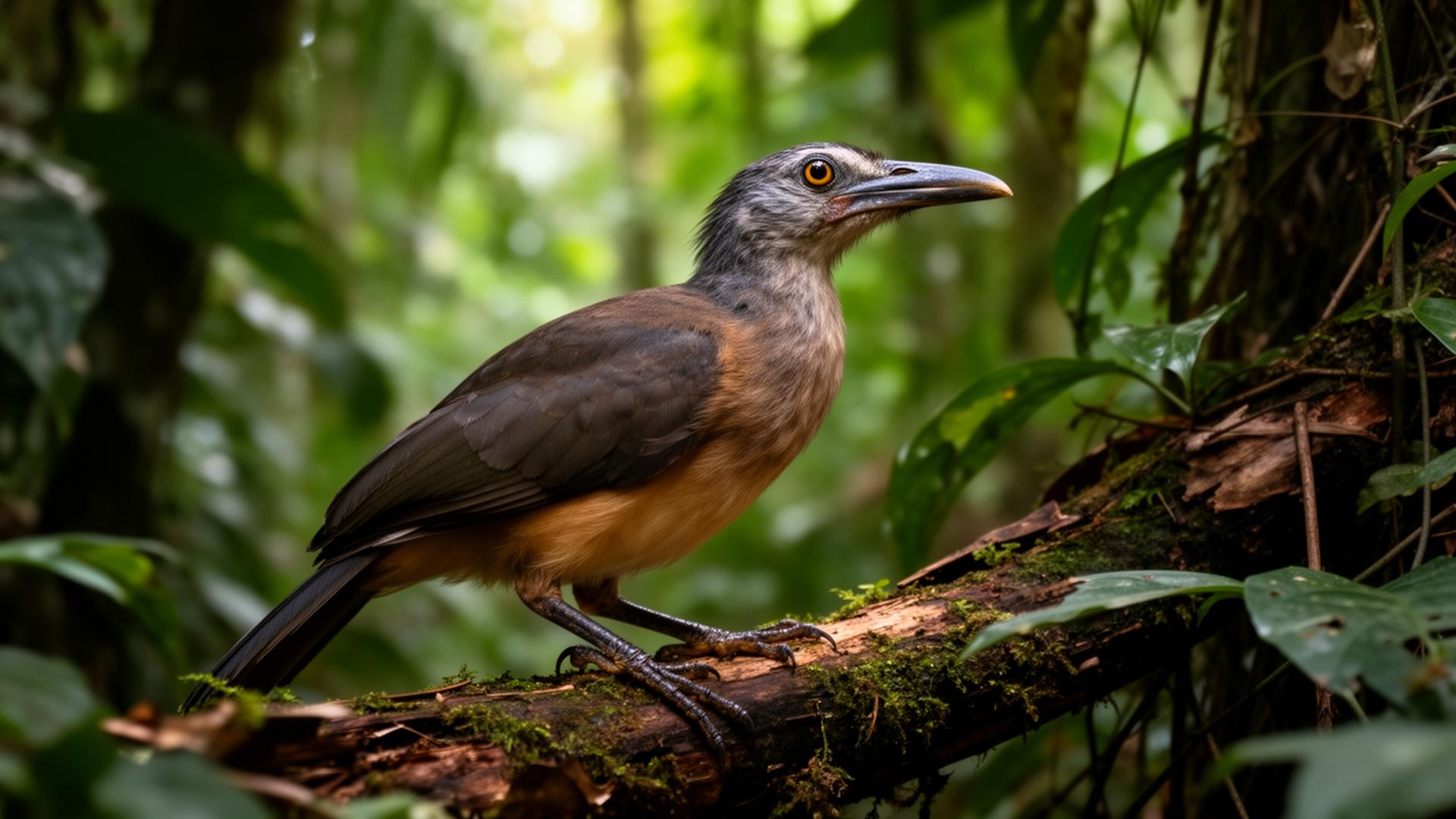
Wildlife in Mondulkiri's protected areas includes gibbons, langurs, and even wild elephants, though sightings require luck and time. The forests themselves, with their unique ecology, merit exploration.
Getting There
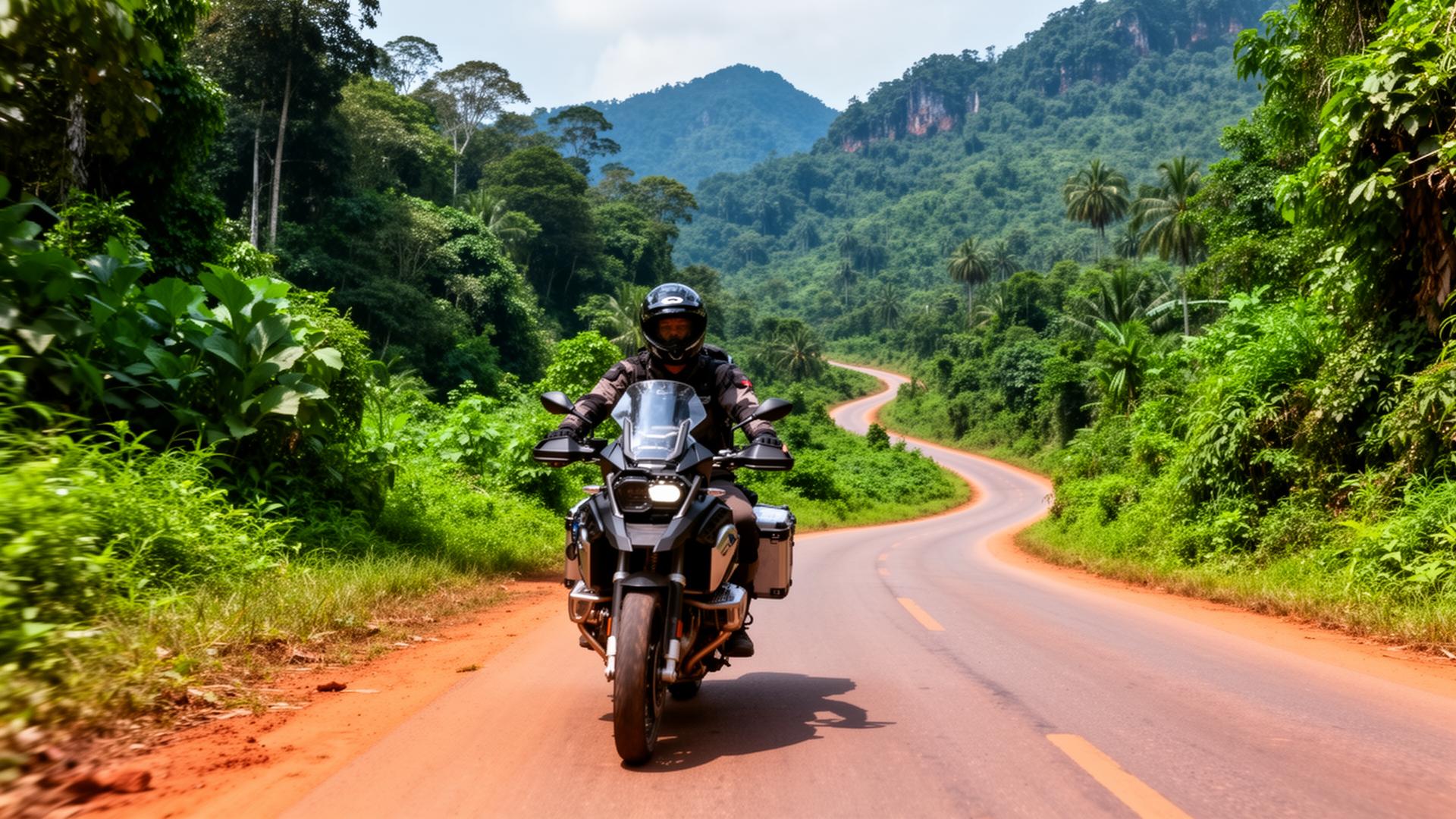
Buses from Phnom Penh take approximately 8 hours on improving roads. Sen Monorom is the main base, with the elephant sanctuary requiring additional transport. The journey is part of the adventure—bring patience and enjoy the changing landscapes.
Best Time to Visit
November to April offers dry conditions and pleasant temperatures. During monsoon season, roads can become challenging and some elephants range more widely. However, the lush green landscape during rainy season has its own appeal for those prepared for mud.
Related Articles
Get Cambodia Travel Updates
Visa changes, travel tips, and destination guides delivered to your inbox.
No spam, unsubscribe anytime. We respect your privacy.