A Rainy Season Itinerary: 2 Weeks in Cambodia During Monsoon
A day-by-day itinerary optimized for wet season travel — covering indoor attractions, waterfall peaks, rain-friendly activities, and the best of monsoon Cambodia.
What's the best itinerary for Cambodia during rainy season?
A 2-week rainy season itinerary should prioritize morning outdoor activities, afternoon indoor experiences, and destinations that peak during wet season. Start in Phnom Penh (3 days), head to Kampot/Kep (3 days), fly to Siem Reap (5 days), and finish in Battambang (3 days).
- Phnom Penh: museums, markets, cooking classes, and riverside culture
- Kampot/Kep: pepper farms, Bokor waterfalls, cave temples, crab markets
- Siem Reap: Angkor temples in morning light, floating villages at peak flood
- Battambang: bamboo train, bat caves, circus, and colonial architecture
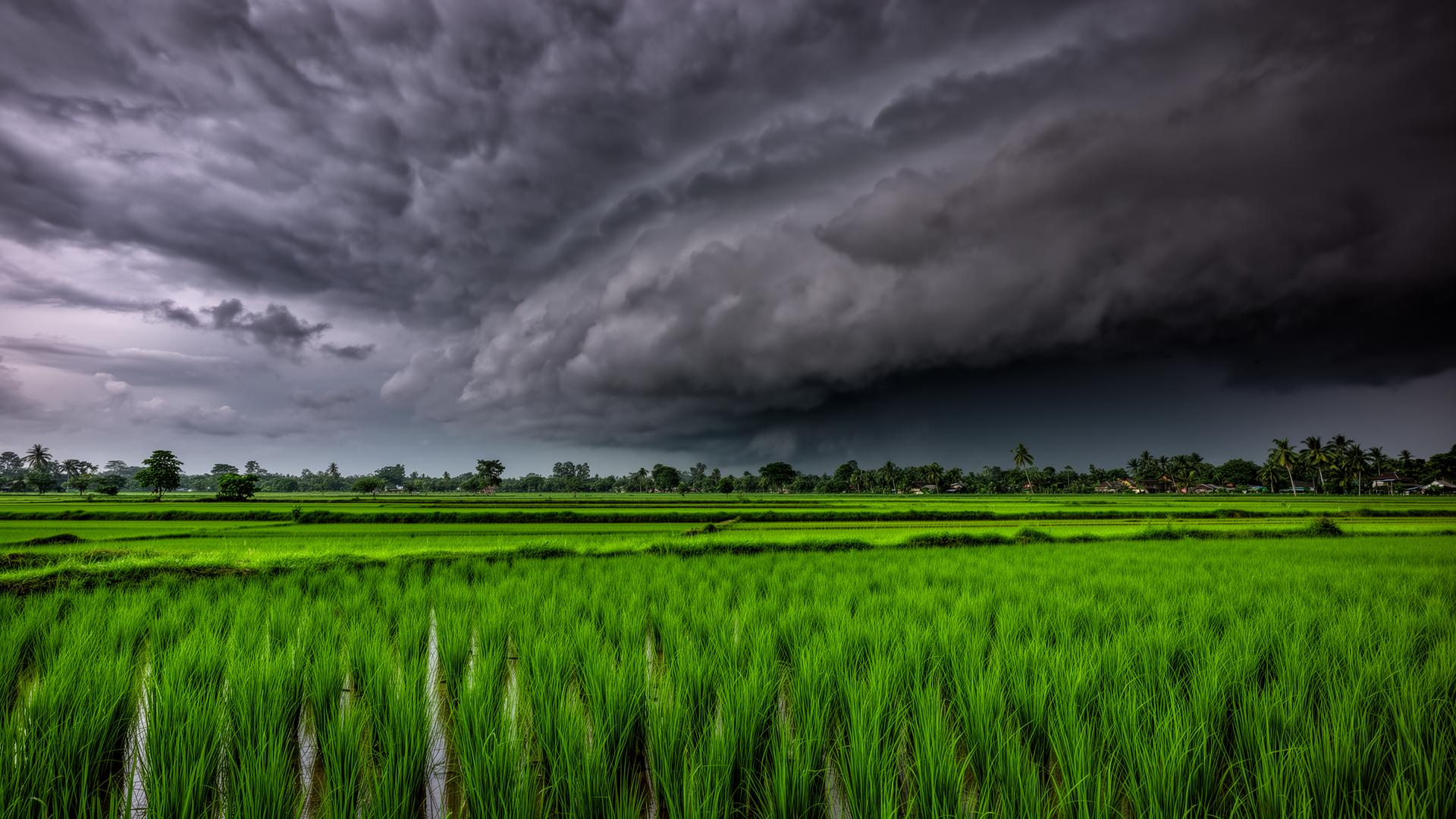
Most Cambodia itineraries are designed for dry season, leaving monsoon travelers to adapt on the fly. This itinerary flips the script — it's specifically built for the rainy season (June to October), taking advantage of what the wet months do best while working around their challenges. Each day is structured around the typical monsoon weather pattern: active mornings, rainy afternoons, and clear evenings.
Days 1–3: Phnom Penh — Culture, Markets & Cuisine
Day 1: Arrival and Riverside Orientation
Arrive in Phnom Penh and settle into your hotel in the BKK1 or riverfront area. In the late afternoon (assuming clear skies), stroll along Sisowath Quay to the Royal Palace. The golden spires against monsoon clouds create extraordinary photo opportunities. Dinner at one of the riverside restaurants — try Friends (a social enterprise training restaurant) or Malis for upscale Khmer cuisine.
Day 2: History and Markets
Start early at the Tuol Sleng Genocide Museum (S-21) — the morning light in the former school's courtyard is hauntingly beautiful. Follow with a tuk-tuk ride to the Killing Fields at Choeung Ek. These sobering but essential visits are entirely indoors/covered and unaffected by rain.
After lunch, explore the Russian Market (Toul Tom Poung) — the covered market is perfect for rainy afternoons. Browse silk scarves, artwork, and vintage curiosities. If rain clears by evening, head to a rooftop bar in BKK1 for sunset views of the city.
Day 3: Royal Palace, National Museum & Cooking Class
Morning visit to the Royal Palace and Silver Pagoda — arrive at 8:00 AM opening for the coolest temperatures and smallest crowds. Walk next door to the National Museum, where the world's finest collection of Khmer sculpture spans the Angkorian and pre-Angkorian periods. The museum's courtyard garden is a tranquil oasis.
Afternoon: join a Cambodian cooking class — an ideal rainy-day activity. Several excellent schools (Frizz Restaurant, Cambodia Cooking Class) teach you to prepare amok, lok lak, and other Khmer classics in covered outdoor kitchens. You eat your creations for dinner.
Days 4–6: Kampot & Kep — Rivers, Pepper & Caves
Day 4: Travel to Kampot & Pepper Farm Tour
Take a morning bus or private car from Phnom Penh to Kampot (2.5–3 hours, $7–$15). Kampot is particularly atmospheric in the rain — mist rising from the river, rain pattering on colonial rooftops, and the surrounding hills cloaked in clouds.
Afternoon: visit a Kampot pepper plantation — La Plantation or Sothy's are both excellent. The covered processing areas and tasting sessions work regardless of weather. Kampot pepper is considered among the world's finest, and learning about its cultivation is fascinating. Evening: riverside dinner at one of Kampot's atmospheric waterfront restaurants.
Day 5: Bokor National Park
Drive up to Bokor Hill Station in the morning. The abandoned French colonial buildings — including the eerie Bokor Palace Hotel and Catholic church — are even more atmospheric shrouded in monsoon mist. If weather permits, visit Popokvil Waterfall, which reaches its peak flow during rainy season with thundering cascades that are breathtaking.
The Wat Sampov Pram pagoda near the summit often sits above the clouds during monsoon, creating ethereal views. Return to Kampot for a late afternoon kayak on the river (weather permitting) or a relaxing spa session.
Day 6: Kep & Cave Temples
Morning excursion to Kep (30 minutes from Kampot). Visit the famous Kep Crab Market for the freshest seafood in Cambodia — crab with Kampot pepper sauce is legendary. Explore Kep National Park's short hiking trails through lush monsoon jungle.
Afternoon: visit Phnom Chhnork and Phnom Sorsia cave temples near Kampot. These limestone caves shelter ancient Hindu and Buddhist shrines and are completely rain-proof. The surrounding karst landscape is stunningly green during monsoon season.
Days 7–11: Siem Reap — Temples, Lakes & Culture
Day 7: Travel to Siem Reap
Fly from Phnom Penh to Siem Reap (50 minutes, $50–$80 one way). Alternatively, take the bus (6 hours, $10–$15) — the drive through the Cambodian countryside during green season is beautiful, passing endless emerald rice paddies and rural villages.
Arrive and settle in. Evening: explore Pub Street and the Night Market for dinner and orientation.
Day 8: Angkor Wat & Angkor Thom
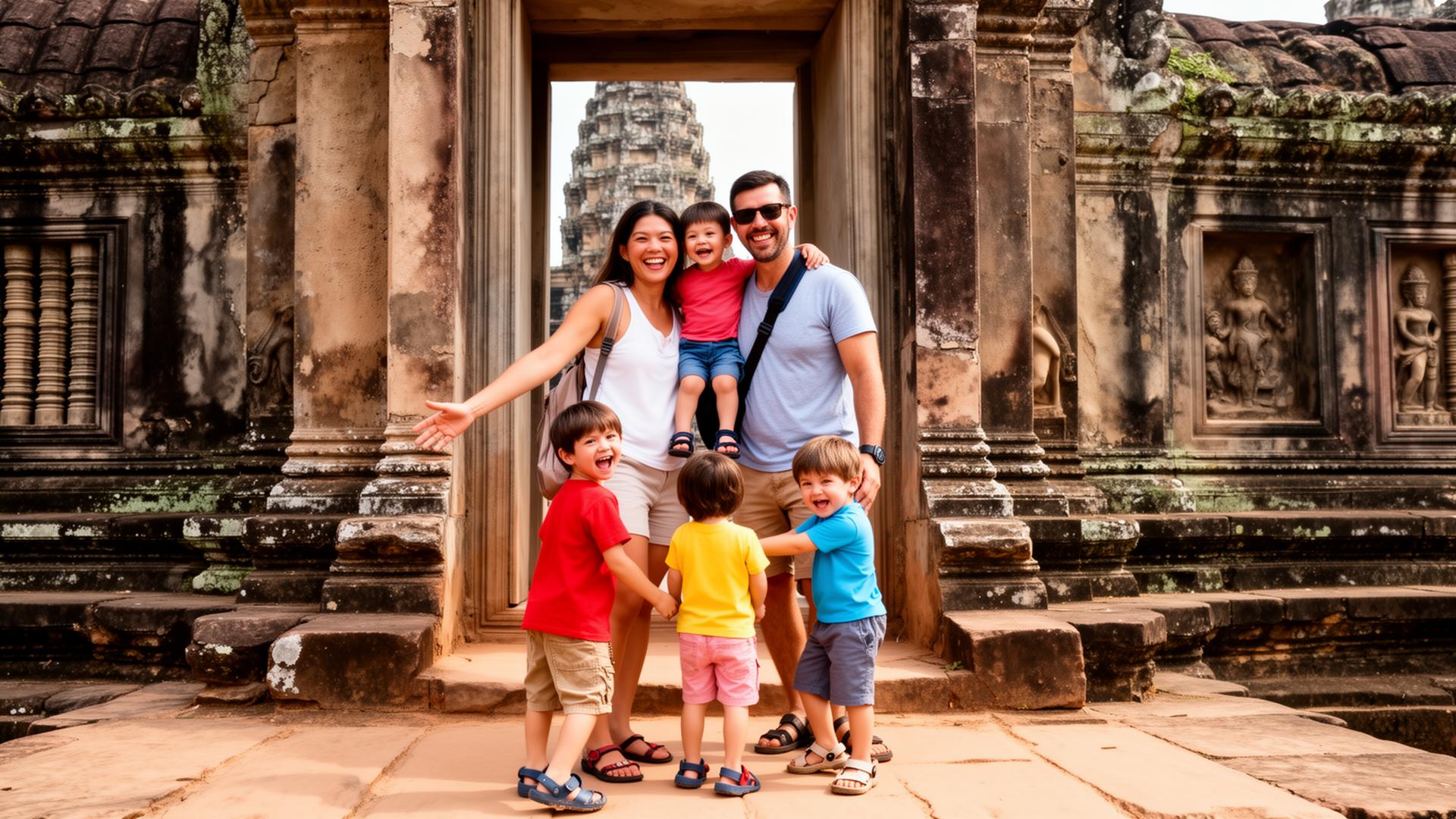
The main event. Start at 5:00 AM for sunrise at Angkor Wat — monsoon sunrises are hit-or-miss (clouds can obscure the sun), but when they work, the drama of light breaking through storm clouds is unforgettable. Even overcast mornings offer beautiful soft light and full moats creating perfect reflections.
Spend the morning exploring Angkor Wat's galleries, bas-reliefs, and upper levels. Move to Angkor Thom and the Bayon temple — the giant stone faces are mesmerizing in any weather, and the covered galleries provide shelter if rain arrives early.
Afternoon: retreat to your hotel or a Siem Reap cafe during the rain. Many visitors find that two shorter temple sessions (morning + late afternoon) work better than one long exhausting day, especially in the humidity.
Day 9: Outer Temples Circuit
Hire a tuk-tuk for the Grand Circuit. Visit Preah Khan — one of Angkor's largest and most atmospheric complexes, with trees growing through stone corridors. Continue to Neak Pean (the island temple in the middle of a lake — particularly beautiful when the surrounding baray is flooded during monsoon) and Ta Som.
Afternoon: visit Artisans Angkor for a guided workshop tour, then browse the old Market area for souvenirs. Book a traditional Apsara dance dinner show at one of the Siem Reap restaurants — these performances are held indoors and are a highlight regardless of weather.
Day 10: Tonle Sap Floating Villages
This is the day that justifies rainy-season travel. Take a morning boat tour of Tonle Sap Lake's floating villages — during monsoon, the lake is at or near its maximum extent. The flooded forest ecosystem is accessible by boat, creating surreal scenes of navigating between the trunks of submerged trees. Kompong Khleang is the most authentic floating community, though Kompong Phluk is more accessible.
The scale of the flood is difficult to comprehend until you see it — what looks like an endless sea was dry land just months ago. Birdwatching opportunities are excellent, with herons, eagles, and cormorants fishing in the flooded forest.
Day 11: Ta Prohm, Banteay Srei & Cooking
Morning: visit Ta Prohm — the "Tomb Raider temple" where massive silk-cotton trees consume the ruins. The monsoon greenery makes this temple even more dramatic than in dry season. Continue to Banteay Srei, the "jewel of Angkorian art," for its intricate pink sandstone carvings.
Afternoon: take a Khmer cooking class or visit the Angkor National Museum — a world-class indoor attraction that provides excellent context for your temple visits. The museum's AC is also very welcome on humid days.
Days 12–14: Battambang — Trains, Bats & Circus
Day 12: Travel to Battambang
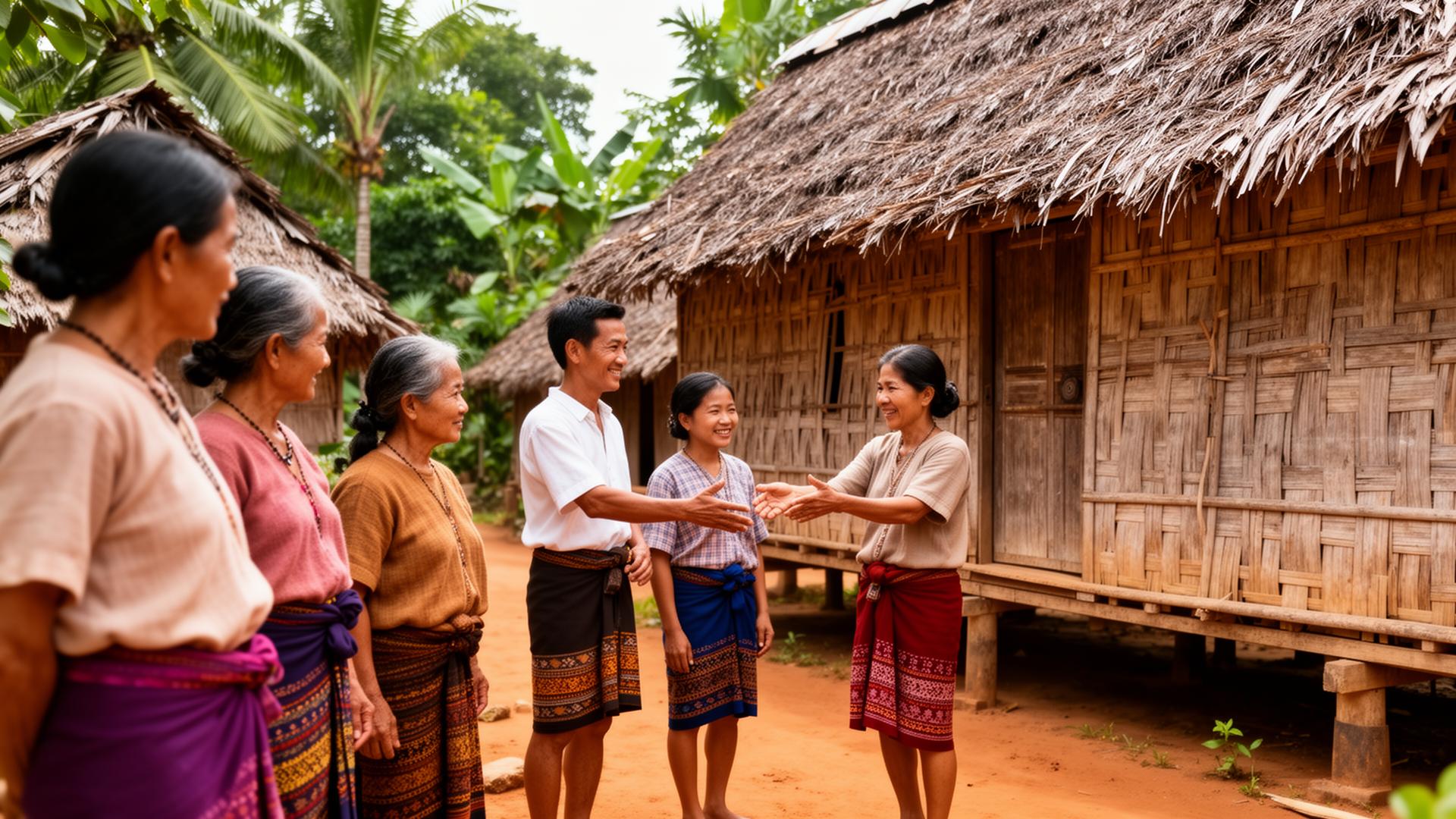
Travel from Siem Reap to Battambang (3 hours by bus, $5–$8). During monsoon season, the boat option along the Sangker River may be available — it's a memorable journey through flooded landscape, though schedules are unreliable.
Afternoon: explore Battambang's colonial old town on foot. The well-preserved French-era architecture lines the Sangker River, and the town's compact center is easily walkable. Visit the small but excellent Battambang Provincial Museum.
Day 13: Bamboo Train, Caves & Bat Show
Morning: ride the rebuilt bamboo train (norry) — a quintessential Cambodian experience through rice paddies. Visit Phnom Sampeau — the hilltop temple complex with its "killing caves" (a somber Khmer Rouge-era site) and panoramic views of the rain-green countryside.
Late afternoon: position yourself at the base of Phnom Sampeau for the evening bat exodus. At sunset, millions of bats stream out of the cave system in a continuous ribbon that can last 30–45 minutes. It's one of Cambodia's most remarkable natural spectacles, and monsoon season ensures the bats are well-fed and the colony is at peak numbers.
Day 14: Phare Circus & Departure
Morning: visit Wat Ek Phnom and the surrounding countryside. Take a bicycle tour through the villages — Battambang's flat terrain and rural scenery make it Cambodia's best cycling destination.
Evening: attend a Phare Ponleu Selpak circus performance (if scheduled — shows run several nights per week). This social circus combines traditional Khmer stories with contemporary circus arts and is genuinely world-class. It's an unforgettable finale to your monsoon Cambodia adventure.
Return to Phnom Penh by bus (5–6 hours) or continue onward to your next destination.
Monsoon Packing Essentials
A lightweight waterproof jacket or poncho (not a heavy rain coat — you'll overheat). Quick-dry clothing — synthetics and merino wool, not cotton. Water-resistant sandals with good grip (Chacos or Tevas work well). Dry bags or Ziploc bags for electronics and documents. A compact umbrella. Mosquito repellent with DEET. A headlamp for early morning temple visits. Oral rehydration salts. A waterproof phone case.
Final Thoughts
This itinerary proves that Cambodia's monsoon season isn't something to endure — it's something to embrace. The combination of lower costs, fewer crowds, dramatic landscapes, and unique seasonal experiences creates a trip that's arguably more rewarding than the standard dry-season route. Pack light, stay flexible, and let the rain be part of your story. Some of Cambodia's most magical moments happen between the raindrops.
Frequently Asked Questions
Related Articles
Get Cambodia Travel Updates
Visa changes, travel tips, and destination guides delivered to your inbox.
No spam, unsubscribe anytime. We respect your privacy.