Ratanakiri
Crater lakes, dense jungle, and Cambodia's indigenous heartland
What is Ratanakiri famous for and how many days do I need?
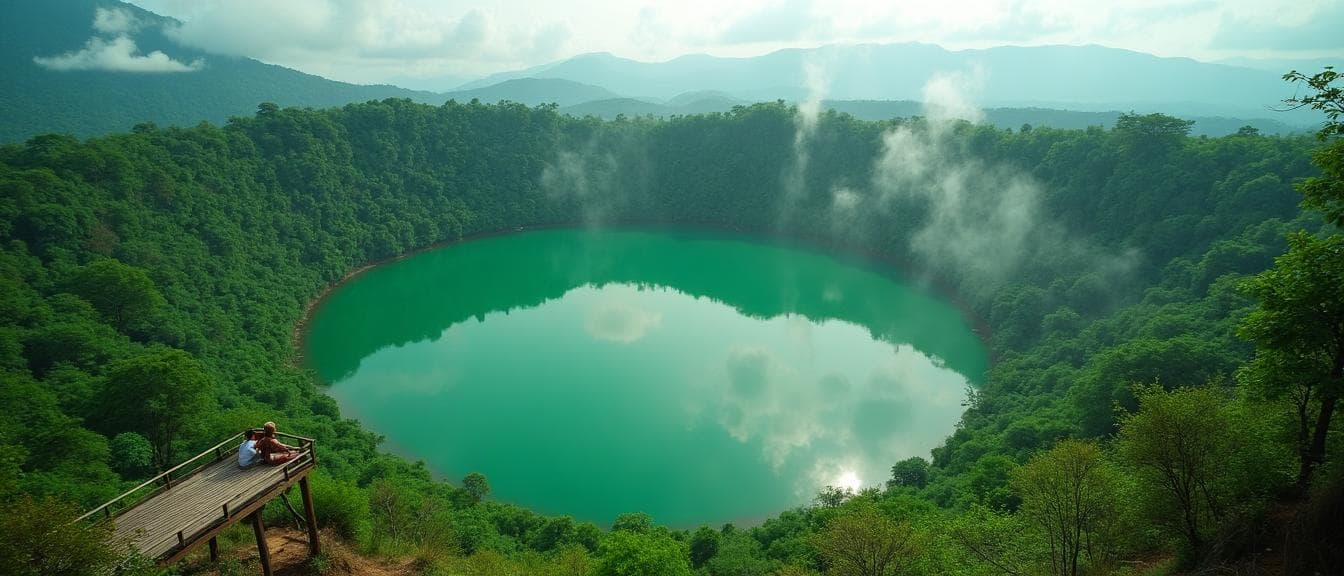
Ratanakiri is Cambodia's wild northeastern frontier, a province of volcanic crater lakes, dense jungle, roaring waterfalls, and diverse indigenous communities near the borders of Laos and Vietnam. The provincial capital Banlung is the gateway to Yeak Laom, a perfectly circular volcanic lake sacred to the local Tampuan people. Plan for 3-4 days minimum: one day for Yeak Laom Lake, one for waterfalls, and one for jungle trekking or village visits.
- Yeak Laom is a volcanic crater lake sacred to the local Tampuan people
- Highland communities here maintain traditions that predate the Khmer Empire
- Add extra days for multi-day treks or deeper exploration of indigenous communities
- This region feels worlds away from Angkor Wat and the beaches of Sihanoukville
Overview
Ratanakiri is Cambodia's wild northeastern frontier—a province of volcanic crater lakes, dense jungle, roaring waterfalls, and diverse indigenous communities. Located near the borders of Laos and Vietnam, this remote region feels worlds away from Angkor Wat and the beaches of Sihanoukville.
The provincial capital, Banlung, serves as the gateway to exploration. From here, travelers venture to Yeak Laom—a perfectly circular volcanic lake sacred to the local Tampuan people—trek through primary rainforest, chase waterfalls, and visit highland communities whose traditions predate the Khmer Empire.
Indigenous Heritage
Best Time to Visit
Ratanakiri's climate is divided between wet and dry seasons:
- November to March: Dry season—ideal for trekking, clear skies, and accessible roads. Waterfalls may have less water but trails are easy to navigate.
- April to May: Hot and dry before the monsoon. Good for visits but temperatures can exceed 35°C.
- June to October: Wet season—lush green landscapes, waterfalls at their most powerful. Roads can be muddy, some areas become inaccessible. Fewer tourists.
Yeak Laom Lake is beautiful year-round, but trekking and waterfall visits are best in dry season for easier access and safer trails.
Things to Do
Yeak Laom Lake
The crown jewel of Ratanakiri is Yeak Laom, a near-perfect circular volcanic crater lake formed over 700,000 years ago. The lake is 800 meters in diameter, nearly 50 meters deep, and surrounded by virgin jungle. Its turquoise waters are sacred to the Tampuan people who manage the site.
- Swimming: The water is refreshingly cool and clean—bring swimwear
- Walking trail: A 3km path circles the lake through the forest
- Cultural center: Small museum on indigenous culture and traditions
- Entry fee: $2-3 for foreigners
Waterfalls
Ratanakiri has several impressive waterfalls accessible from Banlung:
- Cha Ong Waterfall: 25m drop through a rocky canyon, 8km from Banlung. Most accessible year-round.
- Ka Tieng Waterfall: Wide cascade in the forest, 7km from town. Good for swimming.
- Ou'Sean Lair Waterfall: Remote and dramatic, requires a longer journey but rewards with solitude.
Yeak Laom Lake
Swim in a perfectly circular volcanic crater lake surrounded by ancient jungle.
Jungle Trekking
Multi-day treks through dense rainforest with indigenous guides.
Waterfall Exploration
Discover Cha Ong, Ka Tieng, and hidden cascades in the forest.
Indigenous Villages
Visit Jarai and Tampuan communities and learn traditional crafts.
Jungle Trekking
Ratanakiri offers some of Cambodia's best jungle trekking experiences:
- Day treks: 4-8 hour walks through secondary and primary forest, visiting waterfalls and viewpoints. $20-40 with guide.
- Multi-day treks: 2-4 day expeditions camping in the jungle or staying in indigenous villages. $50-100/day including guide, food, and accommodation.
- Virachey National Park: Cambodia's largest protected area offers serious jungle trekking for experienced adventurers. Permits and guides required.
Always Use Local Guides
Costs & Budget
Ratanakiri is one of Cambodia's more affordable destinations, though organized treks add to costs:
Budget Traveler ($20-35/day)
- Basic guesthouse: $5-10
- Local food: $5-8
- Motorbike rental: $8-12/day
- Yeak Laom entrance: $2-3
Mid-Range Traveler ($40-70/day)
- Nice guesthouse or lodge: $15-30
- Restaurant meals: $10-15
- Guided day trek: $25-40
- Transport and activities: $15-25
Comfort Traveler ($80+/day)
- Best available lodge: $40-80
- Quality dining: $15-25
- Multi-day trek package: $60-100/day
- Private guide and transport: $50-80
Where to Stay
Accommodation in Ratanakiri is centered around Banlung:
- Banlung town center: Most guesthouses and hotels. Walking distance to restaurants and tour agencies.
- Near Yeak Laom: A few eco-lodges and guesthouses offer peaceful settings closer to nature.
- Homestays: Some indigenous villages offer basic homestay experiences—arrange through tour operators.
Accommodation is basic compared to tourist hubs. Expect simple rooms with fans or basic AC. Book ahead during peak season (Dec-Feb).
Getting There & Around
Ratanakiri requires effort to reach but the journey is part of the adventure:
- From Phnom Penh: Bus 9-11 hours ($15-20). Road is fully paved via Kratie. Several departures daily.
- From Kratie: Bus 5-6 hours ($8-10). Good option if combining with dolphin watching.
- From Stung Treng: Bus 3-4 hours ($5-8). Useful if coming from Laos.
- By air: Banlung has a small airport but flights are infrequent and unreliable.
Getting around Ratanakiri:
- Motorbike: Essential for independent exploration. $8-12/day. Roads can be rough.
- Tuk-tuk: Available for day trips. $20-40 depending on distance.
- Guided tours: Most treks and activities include transport from Banlung.
Indigenous Communities
Ratanakiri is home to several distinct indigenous groups:
- Jarai: The largest group, known for elaborate burial practices and traditional houses
- Tampuan: Guardians of Yeak Laom Lake with strong animist traditions
- Kreung: Known for the "love hut" courting tradition
- Brao: Skilled farmers and forest dwellers
How to engage respectfully:
- Always visit with local guides who have community connections
- Ask permission before photographing people or ceremonies
- Purchase handicrafts directly from communities when possible
- Respect sacred sites and follow guidance on appropriate behavior
Supporting Communities
Safety Tips
- Always trek with experienced local guides—never venture alone into the jungle
- Stay on marked paths due to unexploded ordnance in remote areas
- Bring adequate water, sun protection, and insect repellent
- Medical facilities are basic—carry a first aid kit and any needed medications
- Roads can be challenging, especially in wet season—drive carefully
- Bring cash—ATMs exist in Banlung but can run out
- Mobile signal is limited outside town
- Respect indigenous customs and ask before photographing
Frequently Asked Questions
"Ratanakiri — swim in a volcanic crater lake sacred to indigenous tribes, trek through primary jungle, and discover gem mines in Cambodia's most remote frontier."
— Cambodia Authority Hub
Explore More Destinations
Book Tours & Activities
Powered by GetYourGuide — we earn a commission at no extra cost to you.
Get Cambodia Travel Updates
Visa changes, travel tips, and destination guides delivered to your inbox.
No spam, unsubscribe anytime. We respect your privacy.