Mondulkiri
Wild highlands, gentle giants, and Cambodia's indigenous heartland
What is Mondulkiri known for and how many days do I need?
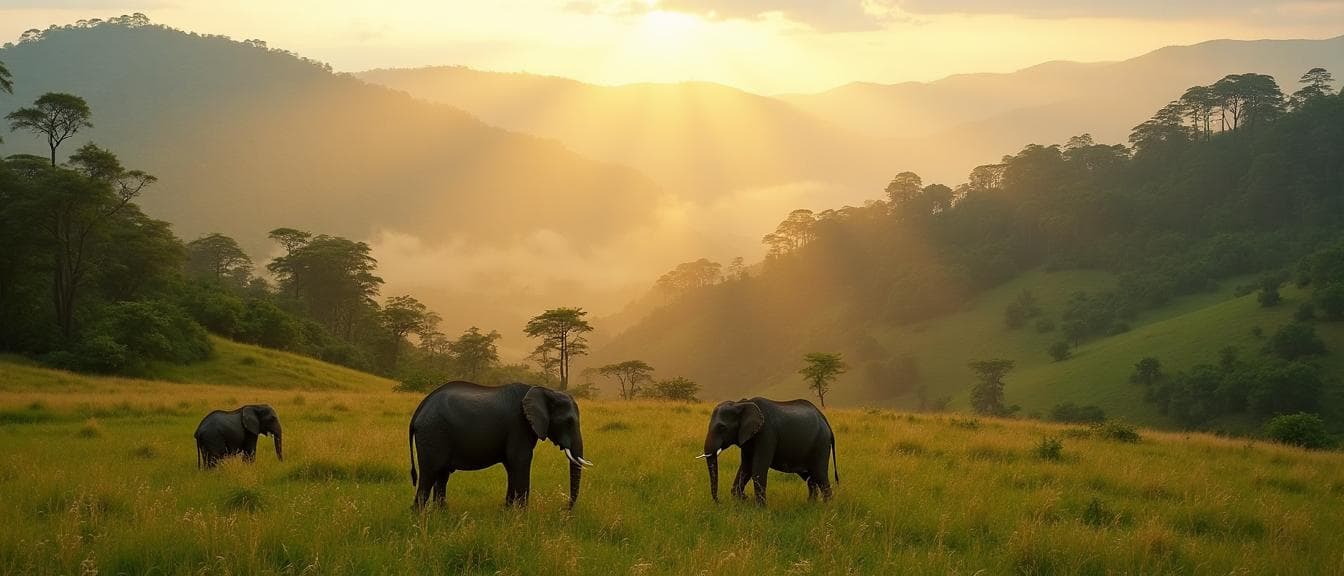
Mondulkiri is Cambodia's largest and most different province, rising to over 800 meters in the eastern highlands with rolling pine-covered hills, grasslands, and dramatic waterfalls like Bou Sra. It's best known for ethical elephant sanctuaries where rescued elephants roam freely in the forest, and it's home to the Bunong (Phnong) people, one of Cambodia's largest indigenous groups. Plan for 2-3 days minimum.
- One full day is ideal for an elephant sanctuary experience, and another for waterfalls and nature
- The Bunong people maintain a forest-based lifestyle and spiritual connection to elephants
- Add extra days for trekking, indigenous village visits, or longer jungle expeditions
- The landscape of pine forests and grasslands is unlike anywhere else in Cambodia
Overview
Mondulkiri is Cambodia's largest province and its most different. Rising to over 800 meters in the eastern highlands, this sparsely populated region feels worlds away from the temples and beaches. Rolling hills covered in pine trees and grasslands, dramatic waterfalls, and dense jungle create a landscape unique in Cambodia.
The province is home to the Bunong (Phnong) people, one of Cambodia's largest indigenous groups. Their traditional culture, forest-based lifestyle, and spiritual connection to elephants have survived despite pressure from logging and development. Today, Mondulkiri is best known for ethical elephant sanctuaries where rescued elephants live freely in the forest.
Elephant Conservation
Best Time to Visit
Mondulkiri's highland climate differs from lowland Cambodia:
- November to February: Cool season—temperatures can drop to 15°C at night. Clear skies, perfect for trekking. Waterfalls may have less water.
- March to May: Hot but cooler than lowlands. Good for visits before the rains.
- June to October: Wet season—lush green landscapes, waterfalls at their most powerful. Trails can be muddy. Fewer tourists.
Elephant experiences run year-round, but trekking and waterfall visits are best in dry season for easier access.
Things to Do
Elephant Sanctuaries
Mondulkiri's main draw is ethical elephant tourism. Reputable sanctuaries include:
- Elephant Valley Project: Full-day and multi-day experiences walking with elephants in the forest. No riding, no bathing. $80-100/day.
- Mondulkiri Project: Half-day and full-day options. Elephants roam freely, visitors observe from a distance or walk alongside. $40-70.
What to expect: Walk through the forest with elephants, observe natural behaviors, learn about conservation. No riding or bathing is offered at ethical sanctuaries—elephants are not entertainment but wild animals deserving respect.
Waterfalls & Nature
Elephant Sanctuaries
Walk with elephants in their natural forest habitat at ethical wildlife projects.
Bou Sra Waterfall
Cambodia's most impressive waterfall with two dramatic tiers in lush jungle.
Highland Trekking
Explore rolling hills, pine forests, and jungle trails with local guides.
Bunong Villages
Learn about indigenous culture, traditions, and forest-based livelihoods.
Bou Sra Waterfall Tip
Costs & Budget
Mondulkiri is moderately priced but elephant experiences add to costs:
Budget Traveler ($25-40/day)
- Guesthouse: $8-15
- Local food: $5-10
- Motorbike rental: $8-12/day
- Waterfall entrance: $1-2
Mid-Range Traveler ($50-100/day)
- Nice hotel or eco-lodge: $25-50
- Restaurant meals: $10-20
- Elephant sanctuary full day: $60-100
- Guided trek: $20-40
Comfort Traveler ($100+/day)
- Luxury eco-resort: $80-200
- Fine dining: $20-40
- Multi-day elephant experience: $150+/day
- Private guide and transport: $60-100
Where to Stay
Most accommodation is in Sen Monorom, the provincial capital:
- Town center: Budget guesthouses and mid-range hotels. Walking distance to restaurants.
- Countryside/eco-lodges: More atmospheric settings with nature views. Need transport but beautiful surroundings.
- Near elephant sanctuaries: Some projects offer overnight stays, immersing you in the experience.
Book in advance during peak season (Nov-Feb). Bring warm clothes—evenings are cool.
Getting There & Around
Mondulkiri requires some effort to reach:
- From Phnom Penh: Bus 5-7 hours ($12-15). Road is paved but winding. Private taxi $80-100.
- From Siem Reap: 10-12 hours with connection in Phnom Penh.
- No airport: Overland only.
Getting around Mondulkiri:
- Motorbike: Essential for independent exploration. $8-12/day. Roads can be rough.
- Tuk-tuk/moto-taxi: Available for tours. Day trips $25-40.
- Tours: Most elephant sanctuaries include transport from Sen Monorom.
Indigenous Culture
The Bunong people have lived in these highlands for centuries:
- Village visits: Some tours include respectful visits to Bunong communities
- Traditional wine: Rice wine is important in Bunong culture and ceremonies
- Animist beliefs: The Bunong have spiritual connections to the forest and animals
- Elephant relationship: Elephants were traditionally family members, not just working animals
Responsible Tourism
Safety Tips
- Bring warm layers—nights can be cold, especially Nov-Feb
- Roads can be rough—motorbike experience is recommended
- Respect elephants—they are wild animals, maintain safe distances
- Bring cash—ATMs exist in Sen Monorom but can run out
- Waterfall rocks can be slippery—wear appropriate footwear
- Mobile signal is limited outside town
- Book elephant experiences in advance—popular ones fill up
- Use insect repellent—mosquitoes are present in the forest
Frequently Asked Questions
"Mondulkiri — Cambodia's wild highlands where ethical elephant sanctuaries, thundering waterfalls, and the ancient Bunong people offer a Cambodia most travelers never see."
— Cambodia Guide
Explore More Destinations
You Might Also Like
Book Tours & Activities
Powered by GetYourGuide — we earn a commission at no extra cost to you.
Get Cambodia Travel Updates
Visa changes, travel tips, and destination guides delivered to your inbox.
No spam, unsubscribe anytime. We respect your privacy.