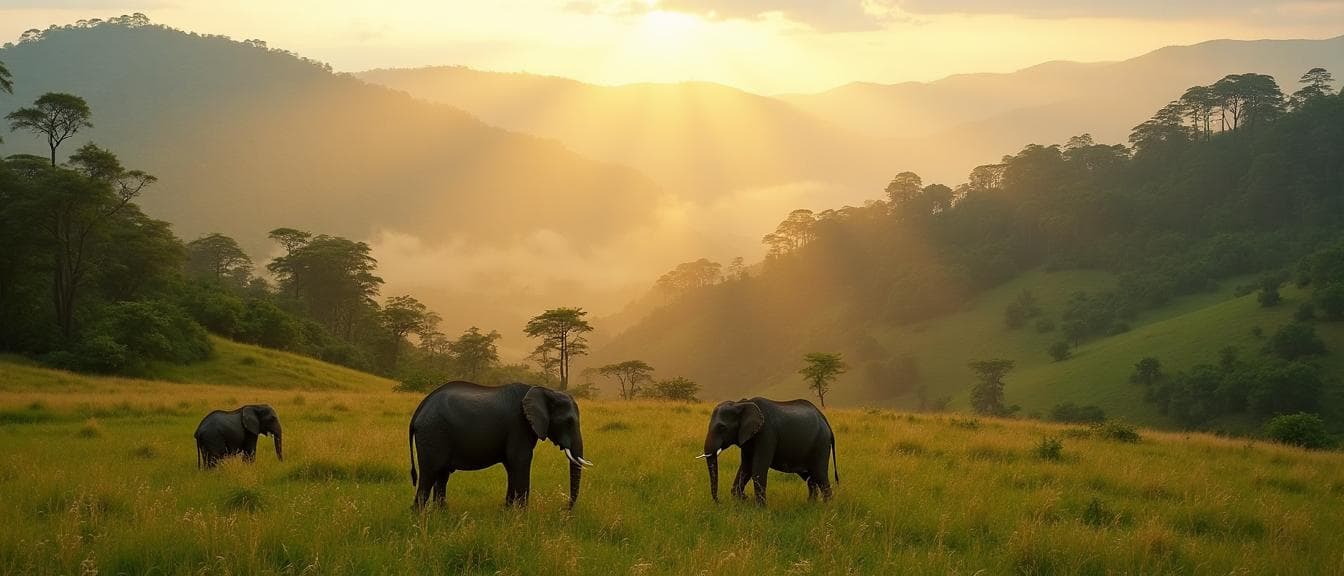
Jungle Trekking
Explore Cambodia's last great wilderness areas
How difficult is jungle trekking in Cambodia?
Difficulty varies widely: day treks around Mondulkiri are moderate and suitable for reasonably fit travelers, while multi-day Cardamom Mountains and Virachey National Park expeditions are challenging with steep terrain, river crossings, and basic camping. Cambodia offers some of Southeast Asia's most pristine and least-visited jungle trekking, from Mondulkiri's rolling highlands to the vast Cardamom rainforest.
- Top destinations: Mondulkiri (easiest), Cardamom Mountains, Virachey National Park (most remote)
- Trips run from day treks to 8-day expeditions, costing roughly $35-200 per day
- Best season is November to April for dry trails and fewer leeches
- Never trek without a guide, since trails are unmarked and UXO exists in remote areas
Overview
Cambodia offers some of Southeast Asia's most pristine and least-visited jungle trekking opportunities. From the rolling highlands of Mondulkiri to the vast Cardamom Mountains—one of the largest intact rainforests in mainland Southeast Asia—adventurous travelers can explore genuine wilderness that rivals anywhere on the continent.
What makes Cambodian jungle trekking unique is the combination of biodiversity, indigenous culture, and the sense of discovery. Many areas remained inaccessible until recently, and some trails pass through forests that have never been logged. You'll encounter wildlife, stay in indigenous villages, and experience landscapes few tourists have seen.
Why Choose Cambodia for Jungle Trekking?
- • Untouched wilderness: Less developed than Thailand or Vietnam
- • Indigenous culture: Trek with Bunong, Kreung, and other ethnic guides
- • Wildlife: Chance to see gibbons, sun bears, and rare birds
- • Value: Lower costs than neighboring countries
- • Conservation: Directly support protection of endangered ecosystems
Top Trekking Destinations
Mondulkiri
The most accessible jungle trekking destination, Mondulkiri's eastern highlands offer the perfect introduction to Cambodian wilderness. The rolling hills, pine forests, and dense jungle are home to the Bunong indigenous people, who have lived here for generations.
- Difficulty: Easy to Moderate
- Best for: First-time jungle trekkers, wildlife enthusiasts
- Highlights: Elephants, waterfalls, indigenous villages, gibbon sightings
- Duration: Day treks to 4-day expeditions
- Access: 6-8 hours from Phnom Penh by bus
Popular routes include the Elephant Valley Project trails, Bou Sra Waterfall treks, and multi-day journeys to remote Bunong villages. The landscape alternates between dense forest and open grasslands.
Cardamom Mountains
The Cardamom Mountains represent one of Asia's last great wilderness areas—a vast expanse of primary rainforest spanning over 20,000 square kilometers. This is serious jungle with challenging terrain, but the rewards are extraordinary.
- Difficulty: Moderate to Challenging
- Best for: Experienced hikers, wildlife enthusiasts, adventure seekers
- Highlights: Pristine rainforest, river camping, sun bears, gibbons
- Duration: 2-7 day expeditions
- Access: Chi Phat village (5 hours from Phnom Penh)
Chi Phat serves as the gateway, offering community-based ecotourism that supports former poachers turned rangers. Multi-day treks involve camping by rivers, swimming in waterfalls, and navigating steep jungle terrain.
Chi Phat Conservation Success
Virachey National Park
Cambodia's largest protected area offers the most remote and challenging trekking. Covering over 3,300 square kilometers of pristine jungle in Ratanakiri province, Virachey is for serious adventurers seeking true wilderness.
- Difficulty: Challenging to Expert
- Best for: Experienced trekkers, expedition-style adventures
- Highlights: Untouched rainforest, indigenous communities, rare wildlife
- Duration: 3-8 day expeditions
- Access: Banlung (10 hours from Phnom Penh)
Treks require official permits and authorized guides. Routes pass through territories of Kreung and Brau indigenous groups. Accommodation ranges from jungle camping to village homestays.
Tour Operators & Guides
Choosing the right operator ensures safety, supports local communities, and provides authentic experiences. These are the most reputable jungle trekking operators in Cambodia:
Elephant Valley Project
Mondulkiri
Multi-day treks through Bunong indigenous territory with ethical elephant observation. Includes forest walks, waterfall visits, and cultural experiences.
Chi Phat CBET
Cardamom Mountains
Award-winning community tourism in the Cardamom rainforest. Multi-day treks with local guides, camping, and wildlife spotting opportunities.
Sam Veasna Center
Nationwide
Expert-led wildlife tours and jungle treks. Supports conservation across Cambodia. Specializes in rare species like Siamese crocodiles and giant ibis.
Virachey National Park Tours
Ratanakiri
Official park-authorized treks into one of Asia's last great wilderness areas. 2-8 day expeditions with indigenous guides.
Bunong Adventures
Sen Monorom
Locally-owned operation offering treks led by Bunong guides. Authentic village homestays and traditional forest knowledge.
Wildlife Alliance
Cardamom Mountains
Conservation organization offering immersive jungle experiences. Join rangers on wildlife surveys and anti-poaching patrols.
Booking Tips
- • Book multi-day treks at least 1-2 weeks in advance
- • Confirm what's included: meals, guides, permits, gear
- • Ask about group sizes—smaller is usually better
- • Verify the operator uses local indigenous guides
- • Check cancellation policies for weather-related changes
Costs & Budget
Jungle trekking costs vary significantly based on remoteness, duration, and operator:
Day Treks (4-8 hours)
- Mondulkiri village walks: $20-40
- Chi Phat day hikes: $25-50
- Guided waterfall treks: $15-35
Multi-Day Expeditions (per day)
- Mondulkiri 2-3 day treks: $40-80
- Cardamom camping treks: $50-100
- Virachey expeditions: $60-150
- Premium wildlife tours: $150-300
What's Usually Included
- Local guide (often indigenous)
- All meals during trek
- Camping equipment or homestay
- Park/conservation fees
- Transport to trailhead
Additional Costs
- Tips for guides: $5-15/day recommended
- Personal gear/clothing
- Travel insurance (essential)
- Transport to starting point
What to Bring
Proper preparation is essential for comfortable and safe jungle trekking:
Gear Rental
Best Time to Trek
- November to February: Best conditions—dry trails, cooler temperatures, fewer leeches. Peak season. Book ahead.
- March to May: Dry but increasingly hot. Still good for trekking but more challenging in the heat. Fewer crowds.
- June to October: Wet season—muddy trails, leeches, and possible flooding. Some routes impassable. However, forests are lush and green, waterfalls spectacular, and prices lower.
Wildlife viewing is often better during wet season as animals are more active. Birdwatching peaks November-January when migratory species arrive.
Safety Tips
Important Safety Information
- • Never trek without a guide—trails are unmarked and UXO exists
- • Carry sufficient water—guides know safe water sources
- • Wear proper footwear—the jungle floor is uneven and slippery
- • Check weather forecasts—flash floods can occur in valleys
- • Inform someone of your itinerary and expected return
- • Carry a first aid kit—medical help may be hours away
- • Get travel insurance that covers remote area evacuation
Wildlife Safety
- Snakes: Watch where you step. Most will flee. Never handle or approach.
- Elephants: Rare wild encounters. Follow guide instructions. Never approach.
- Insects: Malaria risk in some areas. Use repellent, sleep under nets.
- Leeches: Annoying but harmless. Don't panic—guides know how to remove them.
Frequently Asked Questions
More Adventure Activities
Book This Experience
Powered by GetYourGuide — we earn a commission at no extra cost to you.
Get Cambodia Travel Updates
Visa changes, travel tips, and destination guides delivered to your inbox.
No spam, unsubscribe anytime. We respect your privacy.