Cambodia Photography Guide: Best Spots and Tips
A photographer's guide to capturing Cambodia — the best locations, optimal timing, essential gear, and cultural tips for stunning travel photography.
Where are the best photography spots in Cambodia?
Cambodia's top photography locations include Angkor Wat at sunrise, Ta Prohm's tree roots, Phnom Penh's street scenes, Kampot's countryside, and Tonle Sap's floating villages. Golden hour (sunrise/sunset) produces the most dramatic results.
- Angkor Wat sunrise: arrive 30 min before dawn
- Ta Prohm: best light at 7–8 AM before crowds
- Phnom Penh markets: early morning for best atmosphere
- Kampot countryside: golden hour for rice paddy shots
Cambodia is a photographer's dream — ancient temples draped in jungle vines, vibrant street markets, golden rice paddies, and some of the most dramatic sunrises in Asia. This guide covers the best locations, timing, and tips for capturing the Kingdom's visual magic.
Angkor Wat: The Iconic Shot
No photography trip to Cambodia is complete without the Angkor Wat sunrise. Arrive at least 30 minutes before dawn to secure a position at the northern reflecting pool. A wide-angle lens captures the full temple silhouette, while a telephoto can isolate the central tower against the sky.
The classic shot requires patience — wait for the sky color to peak (usually 10–15 minutes after the sun appears) and watch for the perfect reflection in still water. A tripod is essential for the low-light pre-dawn compositions that give the most dramatic results. Our sunrise guide has detailed timing advice.
Ta Prohm: Nature Meets Architecture
Ta Prohm's massive strangler fig roots engulfing ancient stone walls create otherworldly compositions. Visit at 7–8 AM before tour groups arrive. The dappled light filtering through the canopy produces natural spotlighting effects that are impossible to replicate.
Use a fast lens (f/2.8 or wider) as the jungle canopy makes interiors quite dark. A tripod helps for HDR or long-exposure shots that capture the moody atmosphere.
Phnom Penh Street Photography
The capital offers endless street photography opportunities. The Central Market's art deco architecture and colorful vendors make for compelling frames. The riverside at sunset, monks collecting morning alms, and the organized chaos of traffic all provide dynamic subjects.
Approach street photography respectfully. Ask permission before close-up portraits. A friendly smile and basic Khmer greeting usually gets enthusiastic consent. Review safety tips for keeping your gear secure in busy areas.
Countryside and Rural Life
The countryside around Battambang, Kampot, and Siem Reap offers stunning landscape opportunities. Rice paddies at golden hour, sugar palm trees silhouetted against sunset skies, and traditional village scenes tell the story of rural Cambodia.
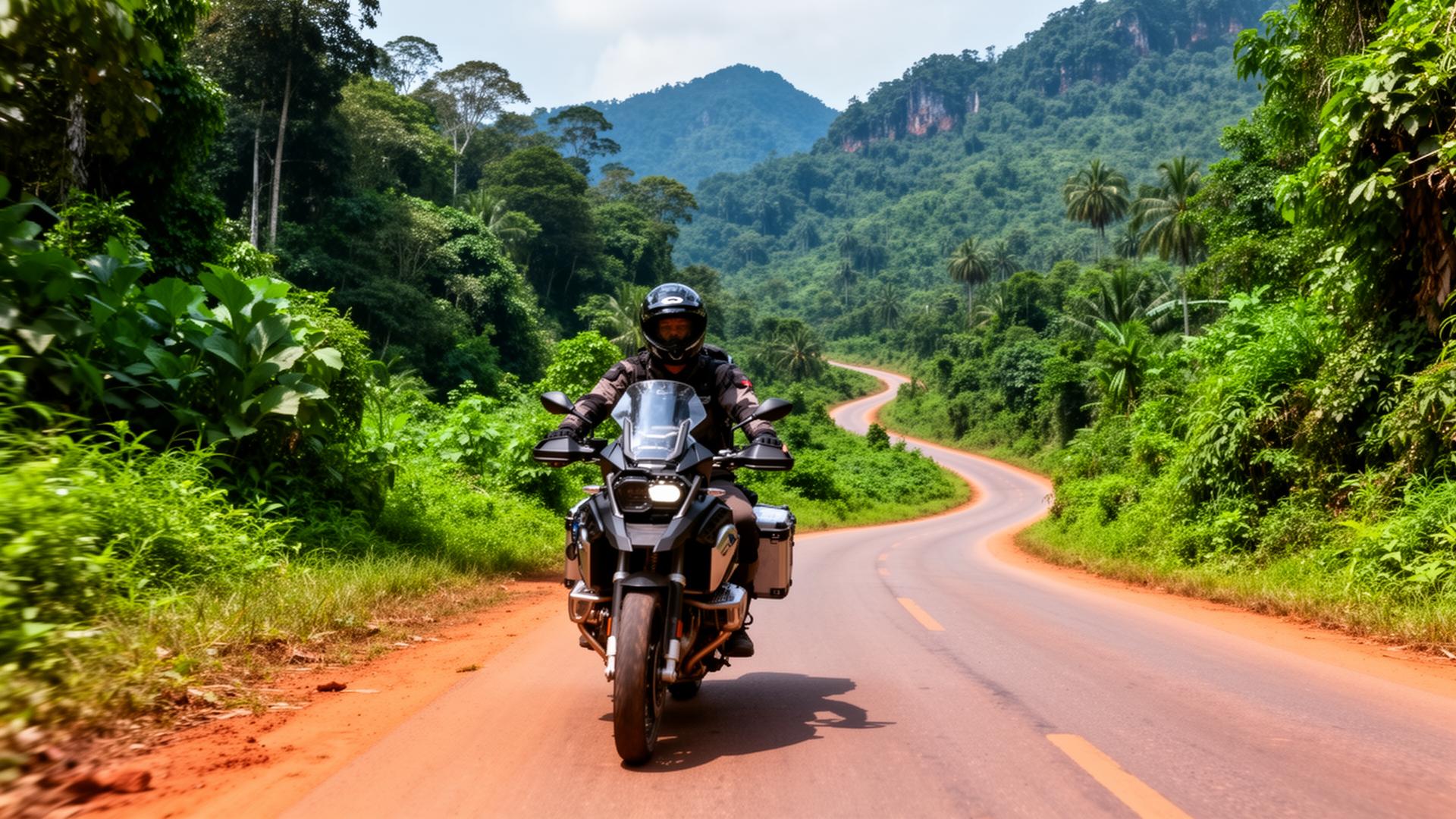
Rent a bicycle or motorbike (check our cost guide) to explore at your own pace. Stop frequently — the best shots often come from unplanned encounters along rural roads.
Gear Recommendations
Essential: Versatile zoom lens (24–70mm or 18–135mm), lightweight tripod, extra batteries, UV/polarizing filter, and a rain cover for your camera bag.
Nice to have: Wide-angle lens for temple interiors, fast prime lens for low light, and a telephoto for wildlife and detail shots.
Climate protection: Silica gel packets in your bag, a microfiber cloth for condensation, and a waterproof camera cover for rainy season. Heat drains batteries 30–40% faster than temperate climates, so carry spares.
Cultural Photography Etiquette
Always ask before photographing people, especially in rural areas. Never photograph military installations or sensitive sites. At temples, avoid flash photography near ancient paintings and be mindful of worshippers. The tourist visa doesn't cover commercial photography — contact authorities if planning professional shoots.
Frequently Asked Questions
Related Articles
Get Cambodia Travel Updates
Visa changes, travel tips, and destination guides delivered to your inbox.
No spam, unsubscribe anytime. We respect your privacy.