Cambodia's Incredible Wildlife: Where to See Endangered Species
From Irrawaddy dolphins in the Mekong to gibbons in the Cardamom Mountains, discover Cambodia's remarkable biodiversity and the best places to experience it responsibly.
What wildlife can you see in Cambodia?
Cambodia is home to remarkable endangered species including Irrawaddy dolphins, Asian elephants, sun bears, gibbons, pangolins, and over 500 bird species. The Cardamom Mountains, Mekong River, and Tonle Sap are top wildlife destinations.
- Irrawaddy dolphins in Kratie (best: Dec–May)
- Gibbon encounters in Ratanakiri and Koh Kong
- Giant ibis birdwatching in Preah Vihear
- Elephant sanctuaries in Mondulkiri
Cambodia's wildlife diversity is one of Southeast Asia's best-kept secrets. While the country is famous for its temples, its forests, rivers, and wetlands harbor some of the world's most endangered species. Responsible wildlife tourism is growing, offering travelers meaningful encounters while funding critical conservation.
Irrawaddy Dolphins of the Mekong
The Irrawaddy dolphin (Orcaella brevirostris) is Cambodia's most iconic aquatic species. Around 90 individuals survive in a 190-kilometer stretch of the Mekong River between Kratie and the Lao border. These stocky, round-headed dolphins are remarkably different from their ocean cousins.
Kampi Pool, 15 kilometers north of Kratie town, is the most reliable viewing spot. Local fishermen operate small boats that glide silently alongside pods of 3–8 dolphins. Early morning (6–8 AM) and late afternoon (4–6 PM) offer the best sightings, especially during the dry season when dolphins concentrate in deeper pools.
Conservation efforts have slowly stabilized the population after decades of decline from gill-net fishing, dam construction, and pollution. Your $9 boat fee directly funds community patrols that protect dolphin habitat.
Elephants of Mondulkiri
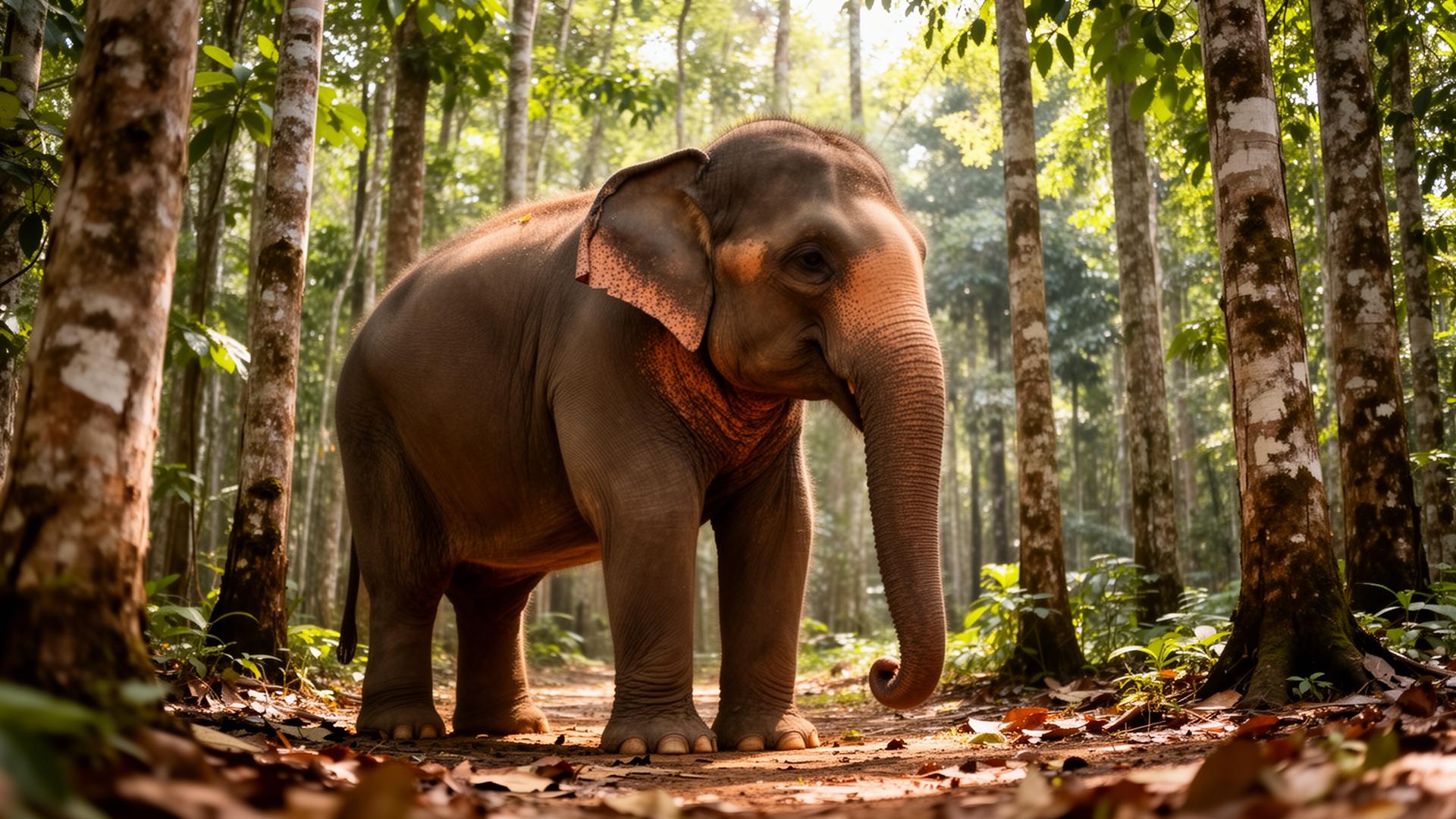
The rolling hills of Mondulkiri province, home to the Bunong indigenous community, shelter Cambodia's largest remaining elephant population. The Elephant Valley Project (EVP) near Sen Monorom offers the country's most ethical elephant experience.
Unlike tourist camps that offer rides and performances, EVP allows visitors to walk through the forest observing semi-wild elephants from a respectful distance. Day visits ($45) and overnight stays ($110) include Bunong guides who share their deep cultural connection to elephants. You'll witness elephants foraging, bathing in rivers, and socializing naturally.
The Mondulkiri highlands also harbor wild elephant herds, though sightings are rare and restricted to guided treks in protected areas.
Gibbons and Primates
Cambodia is home to several primate species, including the critically endangered yellow-cheeked crested gibbon and the northern buff-cheeked gibbon. The Jahoo Gibbon Camp in Ratanakiri province offers overnight stays in the jungle with early morning gibbon-spotting treks.
In Koh Kong province, the Chi Phat community ecotourism project provides multi-day treks through the Cardamom Mountains where you can hear (and sometimes spot) gibbons at dawn. The haunting duets of mated gibbon pairs carry for kilometers through the forest canopy.
Other primates you might encounter include silvered langurs, long-tailed macaques, pygmy slow lorises (nocturnal), and the rare black-shanked douc langur in eastern Cambodia.
Birdwatching Hotspots
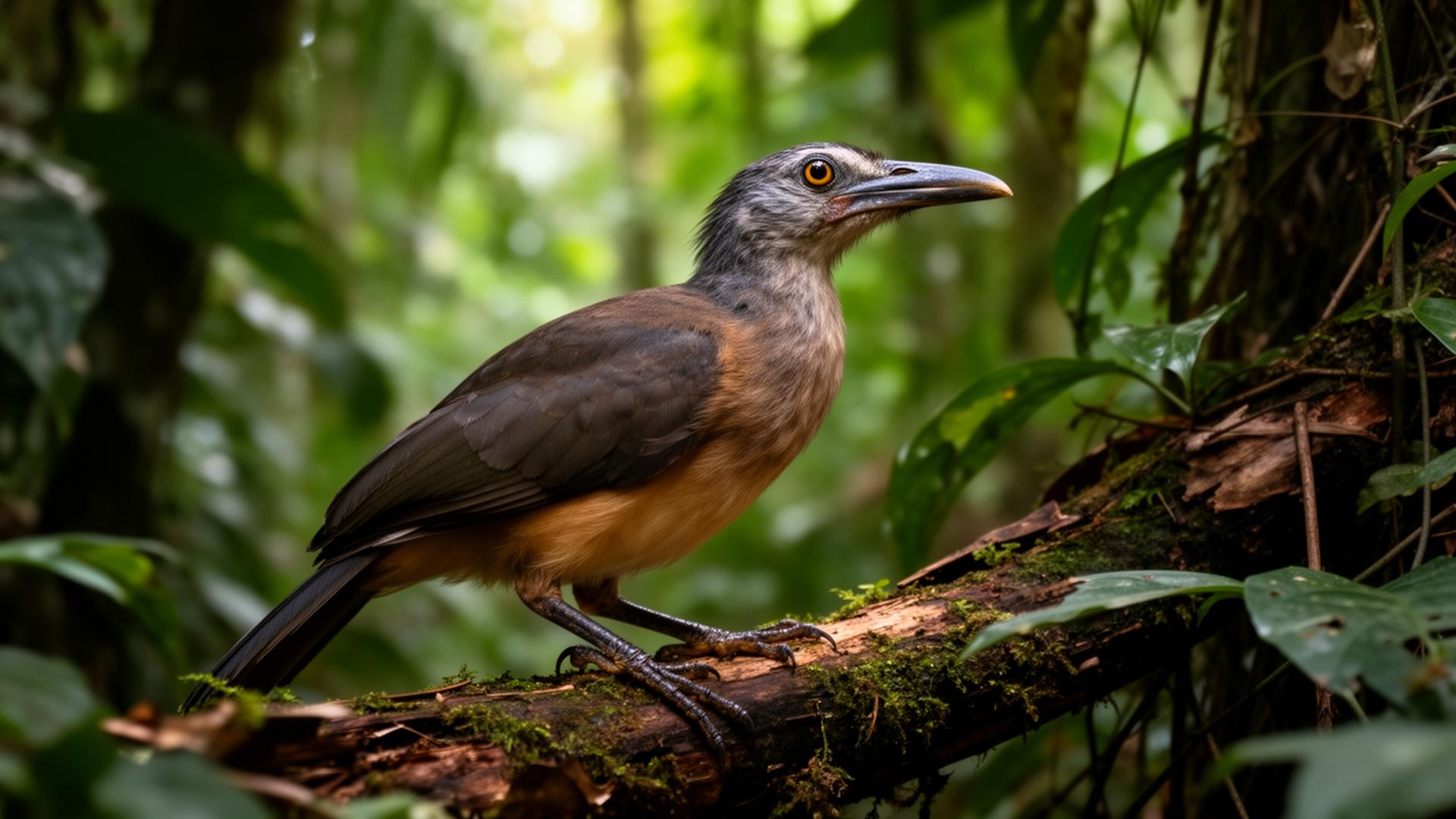
Cambodia is a birder's paradise with over 500 recorded species, including several critically endangered birds found almost nowhere else. The giant ibis—Cambodia's national bird—survives in small numbers in the dry forests of Preah Vihear province.
Top birdwatching destinations include:
- Tmatboey – Community-run birding site in Preah Vihear, famous for giant ibis and white-shouldered ibis sightings
- Prek Toal – Tonle Sap's largest bird colony with painted storks, spot-billed pelicans, and lesser adjutant storks (best: Jan–Apr)
- Ang Trapeang Thmor – Critical wintering site for the sarus crane (world's tallest flying bird)
- Florican Grasslands – Near Kampong Thom, home to the Bengal florican, one of the world's rarest bustards
The Cardamom Mountains
The Cardamom Mountains in southwestern Cambodia comprise one of the largest intact rainforests in mainland Southeast Asia. This wilderness shelters sun bears, clouded leopards, Asian elephants, pangolins, Siamese crocodiles, and hundreds of bird species.
Chi Phat, a former poaching community turned ecotourism model, serves as the primary gateway. Multi-day treks, mountain biking, and kayaking allow exploration of this spectacular landscape while directly funding conservation. Camera traps regularly capture images of clouded leopards, dhole (Asian wild dogs), and other elusive species.
Tonle Sap Lake
The Tonle Sap is Southeast Asia's largest freshwater lake and a UNESCO Biosphere Reserve. Its unique flood-pulse system supports extraordinary biodiversity, including over 200 fish species, vast waterbird colonies, and the critically endangered Siamese crocodile.
Floating villages like Kampong Khleang and Mechrey offer boat trips through flooded forest ecosystems. The biosphere's seasonally inundated forests serve as essential breeding grounds for fish that feed millions of Cambodians.
Conservation Challenges and How You Can Help
Cambodia faces significant conservation challenges including habitat loss from agricultural expansion, illegal logging, dam construction, and wildlife trafficking. However, community-based ecotourism has proven one of the most effective conservation tools.
By visiting CBET sites, staying in community lodges, and hiring local guides, tourists directly incentivize conservation. Many former poachers have become passionate wildlife protectors when tourism provided sustainable income. Your visit matters far more than you might realize.
Responsible Wildlife Viewing Tips
- Never touch, feed, or chase wild animals
- Maintain recommended distances (at least 10 meters for most species)
- Use binoculars rather than approaching closely
- Minimize noise and sudden movements
- Avoid attractions offering direct animal contact or performances
- Book through accredited CBET operators or reputable conservation organizations
Frequently Asked Questions
Related Articles
Get Cambodia Travel Updates
Visa changes, travel tips, and destination guides delivered to your inbox.
No spam, unsubscribe anytime. We respect your privacy.